Byzantine Mosaic Art
330–1453Gold and blue on a cosmic scale. Byzantine mosaics defined the visual language of Christianity for a millennium — the gold of heaven against the blue of divinity.
Glass tesserae (small cubes) set at slight angles in wet plaster. Gold tesserae are made by sandwiching gold leaf between glass layers. The angled setting means the surface catches light from multiple directions.
Ravenna Master Mosaicists
425–565Byzantine-Italian
The anonymous master craftsmen who created the mosaics of San Vitale, Sant'Apollinare, and the Mausoleum of Galla Placidia — the greatest surviving examples of Byzantine mosaic art.
Ravenna mosaics use tesserae set at deliberate angles — no two adjacent pieces are on the same plane. This creates a surface that shimmers as the viewer moves.
Heaven gold
Gold leaf tesserae — gold sandwiched between two layers of glass. The angle of each tessera is varied so the gold catches light from every direction.
Material: Gold leaf between glass layers (sandwich gold tesserae)
RGB(200, 168, 48)
Divine blue
Cobalt blue glass tesserae — the most expensive color in the mosaic palette. Blue represents divinity, heaven, and the cosmos in Byzantine symbolism.
Material: Cobalt blue glass tesserae
RGB(26, 48, 112)
Imperial purple
Manganese purple glass — the color reserved for imperial and divine figures. Purple connects imperial power to divine authority.
Material: Manganese purple glass tesserae
RGB(74, 24, 56)
Marble white
White marble tesserae (not glass) — used for flesh, robes, and architectural elements. Natural stone has a warmth glass cannot match.
Material: White Proconnesian marble tesserae
RGB(224, 216, 208)
Meadow green
Copper oxide green glass — used for landscapes, paradises, and vegetation. Green in Byzantine art represents earthly creation.
Material: Copper oxide green glass tesserae
RGB(42, 106, 56)
Martyr red
Copper or gold ruby glass — deep red tesserae for blood, martyrdom, and the robes of saints. The most technically complex glass color to produce.
Material: Copper/gold ruby red glass tesserae
RGB(138, 24, 32)
Pigments: Gold leaf
Related Materials
If this palette inspired you, here’s what to paint with.
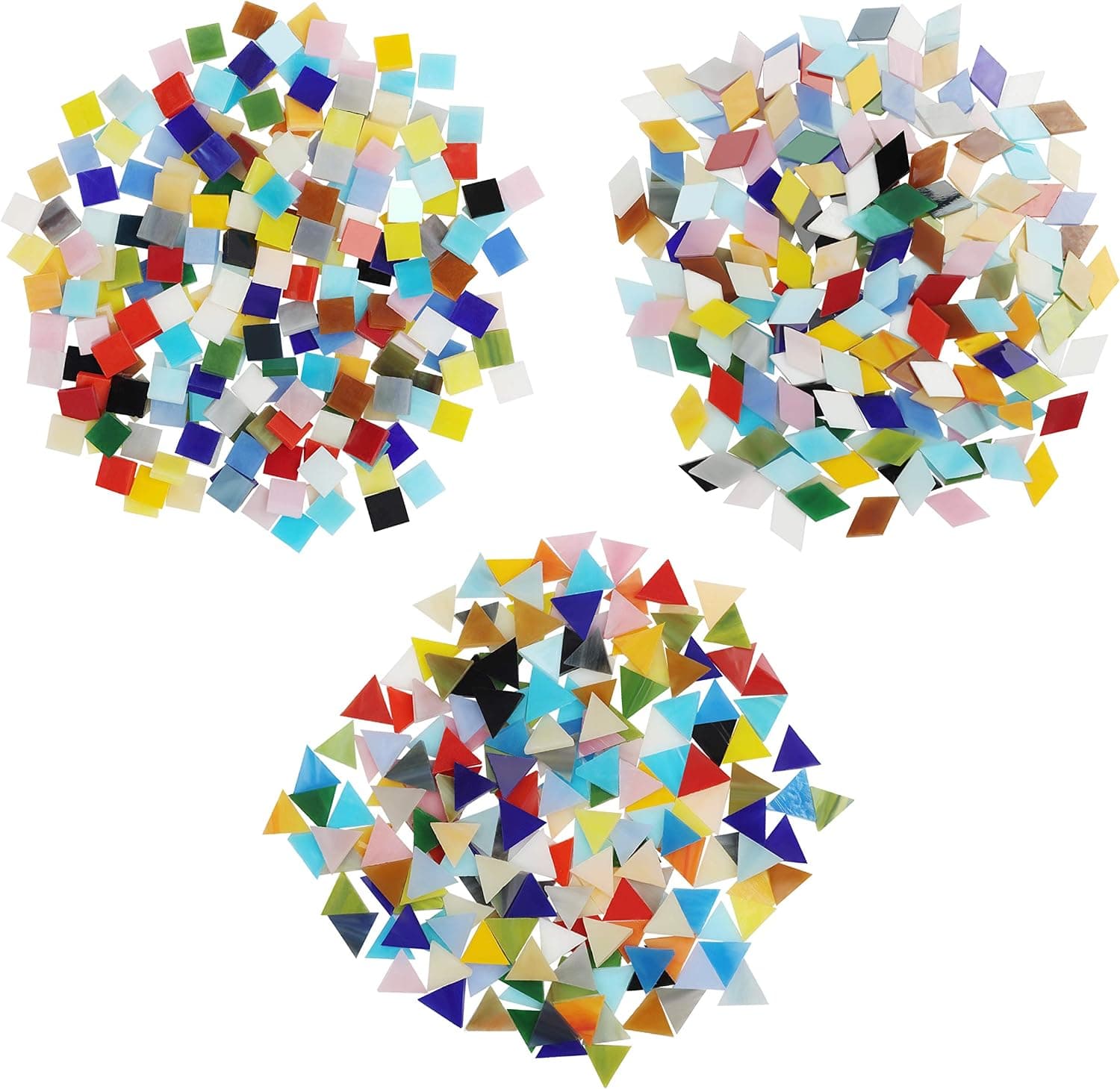 Coloured Glass Mosaic Tiles Craft KitView on Amazon
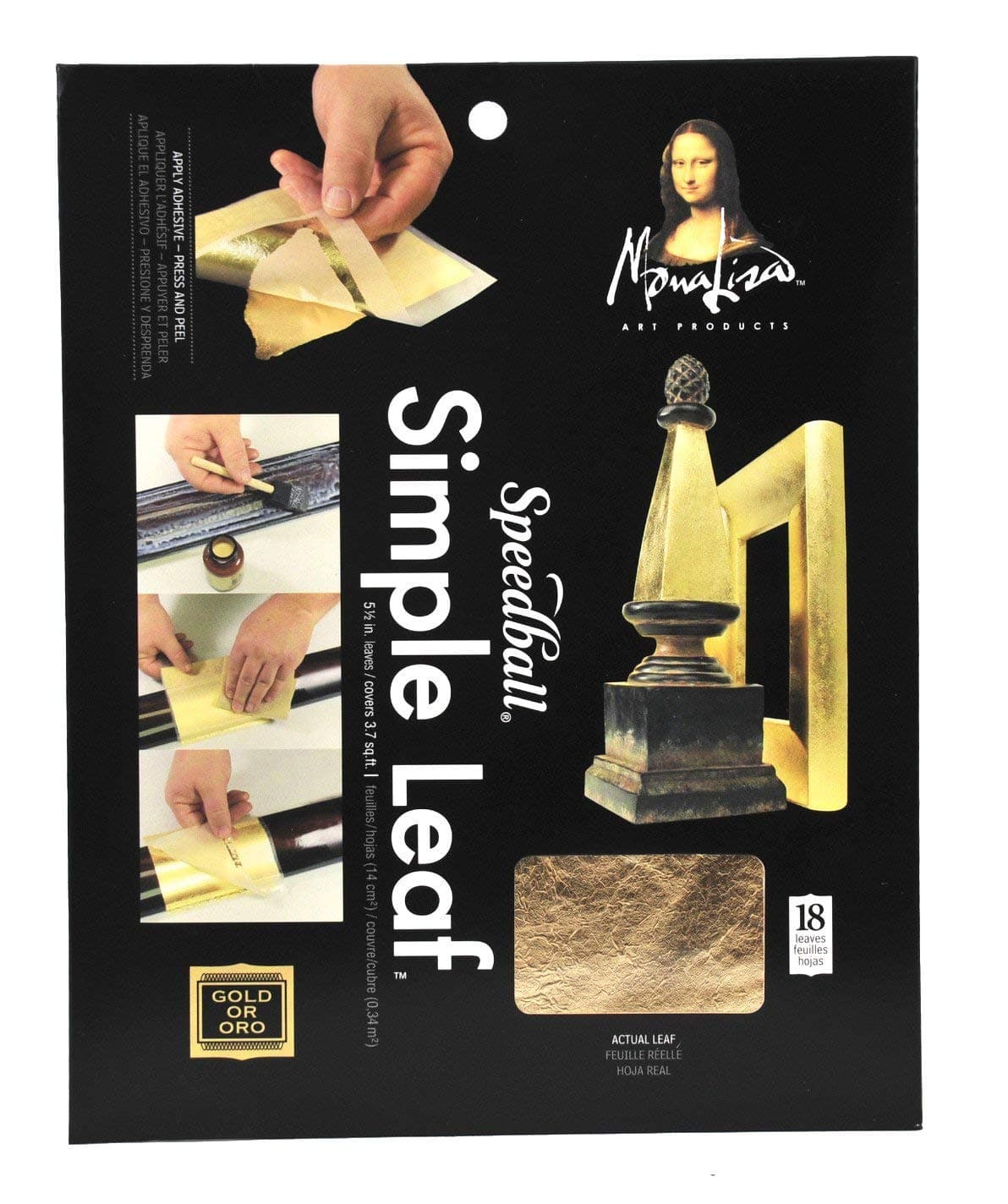 Mona Lisa Gold Leaf Sheets for Gilding, 18 PackView on Amazon
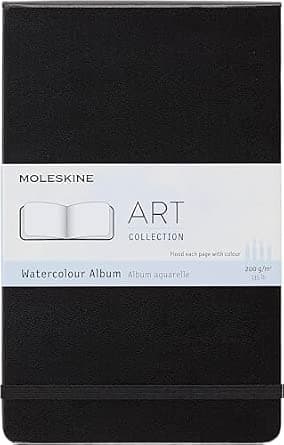 Moleskine Art Plus Watercolor Album, LargeView on Amazon
As an Amazon Associate, Pigmentoria earns from qualifying purchases. This page may contain affiliate links.