19th-Century Realism & Tonalism
1850–1910Observation over invention. Corot's silver light, Whistler's nocturnes, Homer's Atlantic, Sargent's bravura — truth through paint.
Plein air and studio. New pigments (cobalt, viridian, zinc white). Photography influencing composition and tonality.
Gustave Courbet
1819–1877French
Father of Realism. Painted life-size peasants — only what the eye can see.
Palette knife as much as brush. Earthy, material palette — stone, flesh, soil.
 Further reading: Courbet (Taschen Basic Art) — Fabrice Masanès
Ornans limestone
Grey limestone of Jura cliffs.
Material: Lead white, lamp black, raw umber — knife
RGB(138, 138, 128)
Burial earth
Dark earth of Burial at Ornans.
Material: Burnt umber, bone black, bitumen
RGB(44, 34, 24)
Palette knife flesh
Thick tactile flesh — you feel the body's weight.
Material: Lead white, yellow ochre, vermilion — knife
RGB(208, 168, 128)
Franche-Comté green
Dark forest green of home landscape.
Material: Viridian, yellow ochre, lamp black
RGB(59, 90, 42)
Channel wave
Dark blue-green of Channel seascapes.
Material: Prussian blue, viridian, lead white
RGB(58, 90, 106)
Hunter's coat
Warm red-brown of hunting scenes.
Material: Red ochre, burnt sienna, vermilion
RGB(139, 42, 26)
Pigments: Umber · Lead white · Lamp black · Bitumen · Bone black · Vermilion · Ochre · Viridian · Prussian blue · Sienna
Jean-Baptiste-Camille Corot
1796–1875French
Painter of silver mist and trembling leaves. Bridge between classical landscape and Impressionism.
Distinctive silver-green palette. Feathery foliage technique. Morning and twilight light.
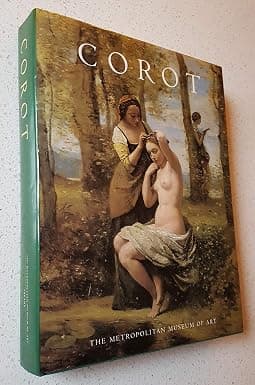 Further reading: Corot — Gary Tinterow, Michael Pantazzi, Vincent Pomarède
Silver mist
The characteristic silver-grey haze of Corot's landscapes.
Material: Lead white, lamp black, terre verte
RGB(168, 168, 152)
Feathered green
Soft grey-green of trembling foliage.
Material: Terre verte, viridian, lead white
RGB(90, 122, 74)
Dawn pink
Soft pink of early morning sky.
Material: Vermilion, lead white, yellow ochre
RGB(200, 168, 160)
Lake reflection
Cool blue of water reflecting sky.
Material: Cobalt blue, lead white, lamp black
RGB(90, 122, 138)
Trunk brown
Dark brown of tree trunks and earth.
Material: Raw umber, burnt sienna, lamp black
RGB(92, 74, 48)
Figure accent red
Small red accent on a distant figure — Corot's signature spark.
Material: Vermilion, cadmium red
RGB(169, 64, 48)
Pigments: Green earth · Lead white · Lamp black · Viridian · Vermilion · Ochre · Cobalt blue · Umber · Sienna
James Abbott McNeill Whistler
1834–1903American
Art for art's sake. Nocturnes, arrangements, symphonies — painting as music. Sued Ruskin and won.
Extremely thin paint, often wiped down. Tonal rather than coloristic. Japanese influence in composition.
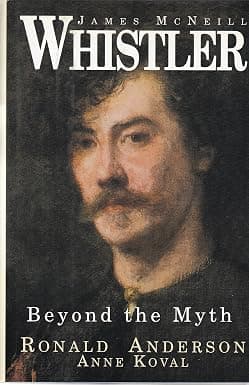 Further reading: James McNeill Whistler: Beyond the Myth — Ronald Anderson and Anne Koval
Nocturne blue-black
The blue-black of Thames nocturnes.
Material: Prussian blue, lamp black, thin washes
RGB(26, 42, 58)
Falling rocket gold
Sparks of gold in the Nocturne in Black and Gold.
Material: Gold paint, cadmium yellow, flicked
RGB(201, 168, 64)
Mother's grey
The grey wall in Arrangement in Grey and Black.
Material: Lamp black, lead white, thin washes
RGB(107, 106, 104)
Whistler flesh
Pale, refined flesh — aristocratic.
Material: Lead white, yellow ochre, vermilion, thin
RGB(208, 184, 152)
Butterfly mark
The dark of Whistler's butterfly signature mark.
Material: Ivory black
RGB(42, 42, 40)
Thames grey
Cool grey of the Thames at dusk.
Material: Lead white, Prussian blue, lamp black
RGB(122, 138, 138)
Pigments: Prussian blue · Lamp black · Cadmium yellow · Gold leaf · Lead white · Vermilion · Ochre · Bone black
John Singer Sargent
1856–1925American
Greatest society portraitist of the Gilded Age. Madame X scandal. Bravura brushwork rivaling Velázquez.
Alla prima technique — single session, wet-into-wet. Could model an ear in a single loaded brushstroke.
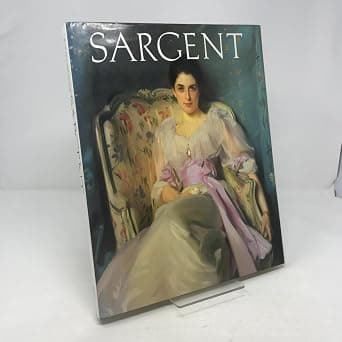 Further reading: John Singer Sargent — Carter Ratcliff
Evening dress black
Rich black of formal evening wear — Madame X.
Material: Ivory black, bone black
RGB(12, 10, 8)
Virtuoso flesh
Luminous society flesh — captured in a single loaded stroke.
Material: Lead white, vermilion, yellow ochre, alla prima
RGB(216, 176, 144)
Silk shimmer
White silk catching light — signature Sargent subject.
Material: Lead white, zinc white, thick impasto
RGB(229, 216, 200)
Carnation pink
The pink of carnations, lilies, and blushing cheeks.
Material: Alizarin crimson, lead white, cadmium red
RGB(216, 144, 144)
Venetian shadow
Warm shadow in the Velázquez tradition.
Material: Raw umber, burnt umber, lamp black
RGB(77, 58, 42)
Landscape green
Vivid green of garden and landscape watercolors.
Material: Viridian, cadmium yellow
RGB(60, 106, 58)
Pigments: Bone black · Vermilion · Ochre · Lead white · Zinc white · Alizarin crimson · Cadmium red · Umber · Lamp black · Cadmium yellow · Viridian
Winslow Homer
1836–1910American
Painter of the Atlantic — crashing waves, fishermen, survival. The most powerful seascapes in American art.
Late marine paintings use a limited palette of deep blue-greens, foam white, and rock grey. Watercolors from the tropics are brilliantly saturated.
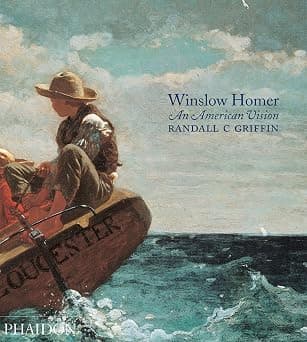 Further reading: Winslow Homer: An American Vision — Randall C. Griffin
Atlantic blue
Deep blue of the cold North Atlantic.
Material: Prussian blue, ultramarine, lead white
RGB(26, 58, 90)
Crashing foam
White spray of waves hitting rock.
Material: Lead white, zinc white, thick impasto
RGB(225, 224, 216)
Maine granite
Grey of Prout's Neck granite.
Material: Lamp black, lead white, raw umber
RGB(106, 106, 96)
Bahamas turquoise
Brilliant turquoise of Caribbean watercolors.
Material: Watercolor: cerulean blue, viridian
RGB(42, 138, 154)
Storm wave green
Dark green of translucent wave crests.
Material: Viridian, Prussian blue, lead white
RGB(43, 90, 74)
Oilskin yellow
Yellow of fishermen's waterproof coats.
Material: Chrome yellow, cadmium yellow, raw sienna
RGB(201, 160, 64)
Pigments: Ultramarine · Prussian blue · Lead white · Zinc white · Umber · Lamp black · Cerulean blue · Viridian · Chrome yellow · Cadmium yellow · Sienna
Related Materials
If this palette inspired you, here’s what to paint with.
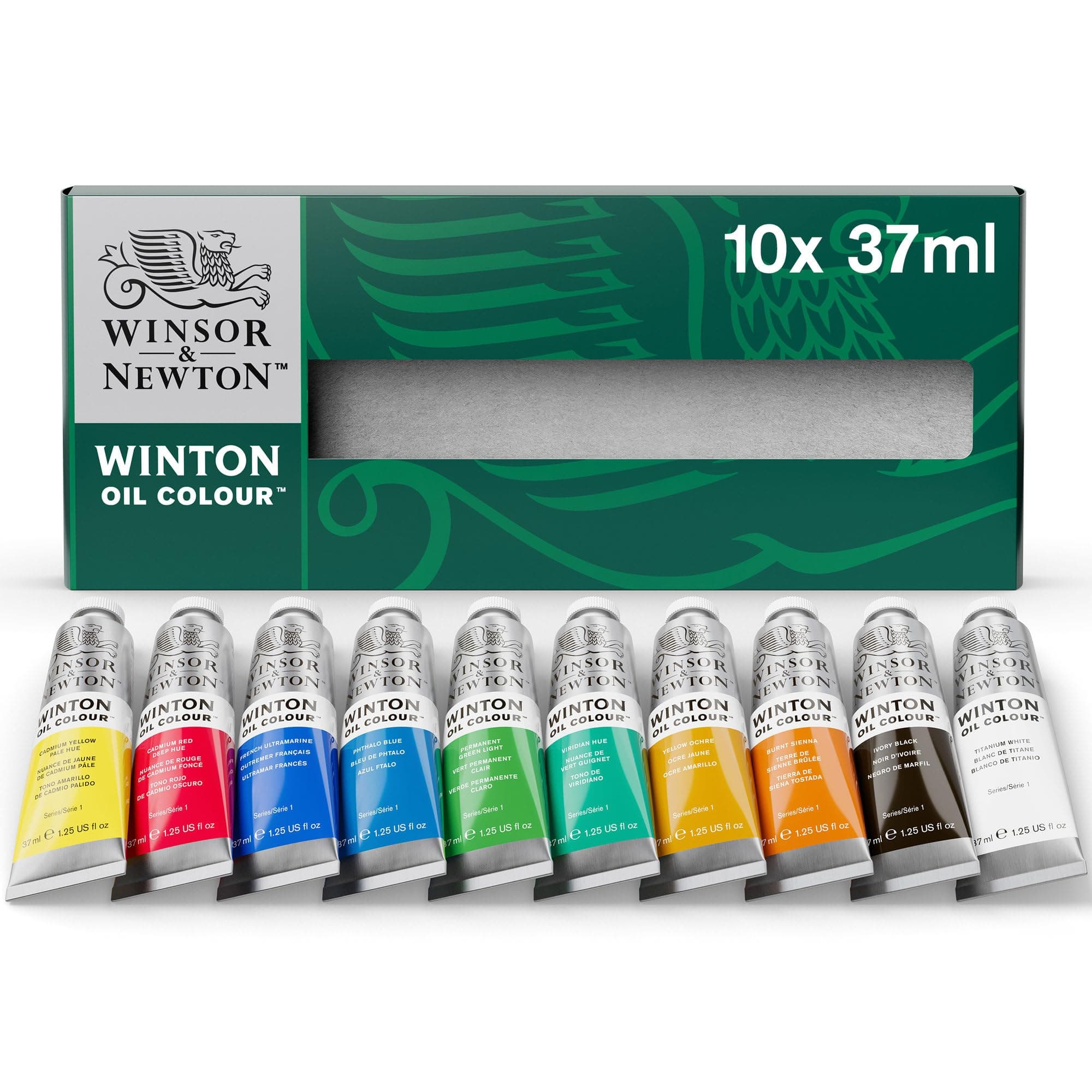 Winsor & Newton Winton Oil Colour Starter Set, 10 TubesView on Amazon
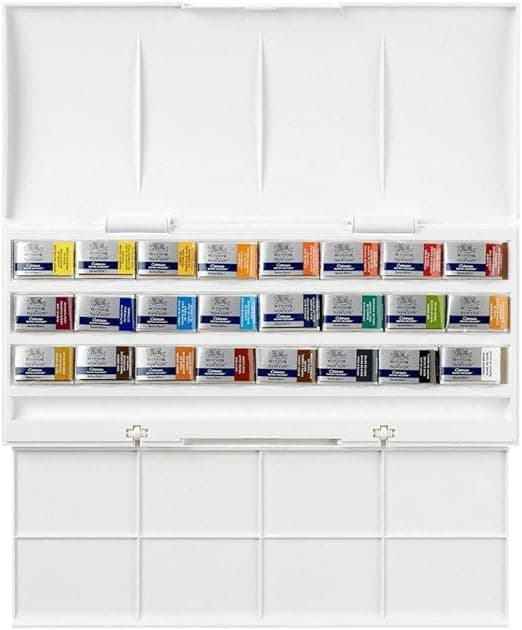 Winsor & Newton Cotman Watercolour Studio Set, 24 Whole PansView on Amazon
 Moleskine Art Plus Watercolor Album, LargeView on Amazon
As an Amazon Associate, Pigmentoria earns from qualifying purchases. This page may contain affiliate links.