Abstract Expressionism
1943–1965New York replaced Paris as the center of art. Painting as action (Pollock), as meditation (Rothko), as primal gesture (de Kooning).
Industrial paints, house paint, enamel. Enormous canvases on the floor. Color field painting — pure chromatic experience.
Pollock
1912–1956American
Drip painter. Laid canvas on floor and poured enamel paint in rhythmic gestures — painting as performance.
Industrial enamel and house paint poured/dripped. Aluminum paint for metallic luminosity. No traditional brushwork.
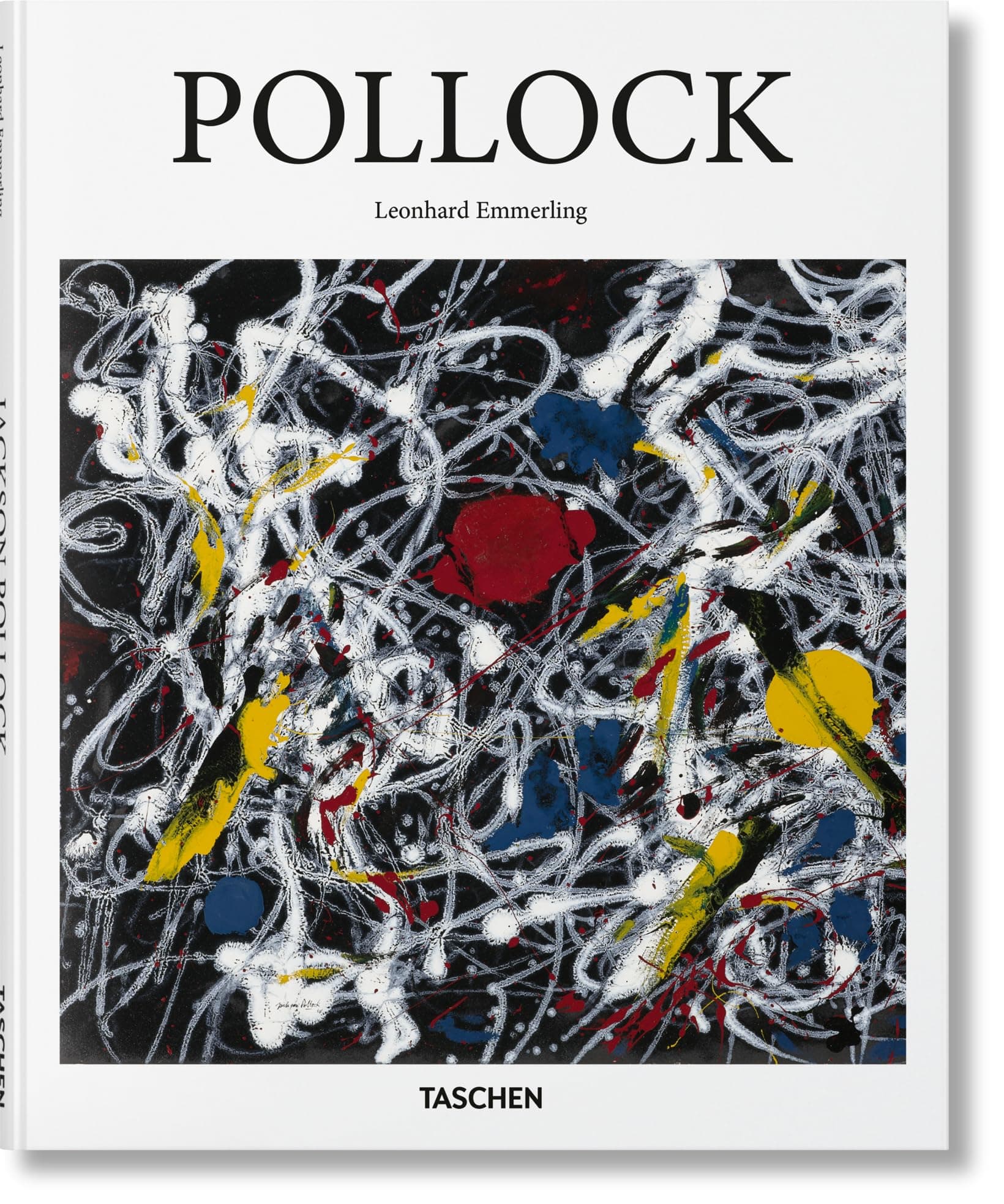 Further reading: Pollock (Basic Art) — Leonhard Emmerling
Enamel pour black
Industrial enamel black — glossy, not matte like oil paint.
Material: Duco industrial enamel, poured
RGB(10, 10, 10)
Aluminum drip
Metallic silver of aluminum paint — reflective, industrial.
Material: Aluminum radiator paint
RGB(169, 168, 168)
Autumn Rhythm brown
Brown enamel in the great drip paintings.
Material: Brown industrial enamel
RGB(107, 74, 42)
Raw canvas
Exposed unprimed cotton canvas between drips.
Material: Unprimed cotton duck canvas
RGB(216, 200, 168)
White splatter
White house paint dripped and splattered.
Material: White house paint (oil-based)
RGB(224, 224, 216)
Cadmium streak
Occasional vivid accent — cadmium red enamel.
Material: Red industrial enamel
RGB(200, 64, 32)
de Kooning
1904–1997Dutch-American
Painter of violent energy — the Women series shattered figure and ground into torrents of paint.
Mixed media — oil, enamel, charcoal. Scraped, wiped, reworked obsessively. Flesh tones mixed with house paint.
 Further reading: Willem De Kooning (Basic Art Album) — Barbara Hess
Woman I flesh
Aggressive flesh — pink forced to the surface.
Material: Lead white, cadmium red, yellow ochre, safflower oil
RGB(216, 160, 136)
Scumble yellow
Dragged yellow revealing layers beneath.
Material: Cadmium yellow, scraped with palette knife
RGB(201, 176, 96)
Violence red
Aggressive red of the Women series — lips, paint, rage.
Material: Cadmium red, enamel
RGB(185, 48, 32)
Harbor blue
Cool blue of later East Hampton paintings.
Material: Cerulean blue, cobalt blue, lead white
RGB(59, 90, 138)
Newspaper transfer
Grey from newspaper transfers into wet paint.
Material: Newspaper ink transfer, enamel
RGB(140, 138, 136)
Erasure white
White paint wiped over color — erasure as gesture.
Material: Lead white, safflower oil, rag-wiped
RGB(227, 216, 200)
Pigments: Cadmium red · Ochre · Lead white · Cadmium yellow · Cobalt blue · Cerulean blue
Frankenthaler
1928–2011American
Inventor of the soak-stain technique — paint thinned to water-like consistency and poured onto raw canvas.
Thinned oil paint poured onto unprimed canvas — paint soaks into fabric, becoming one with the support. Color IS the painting.
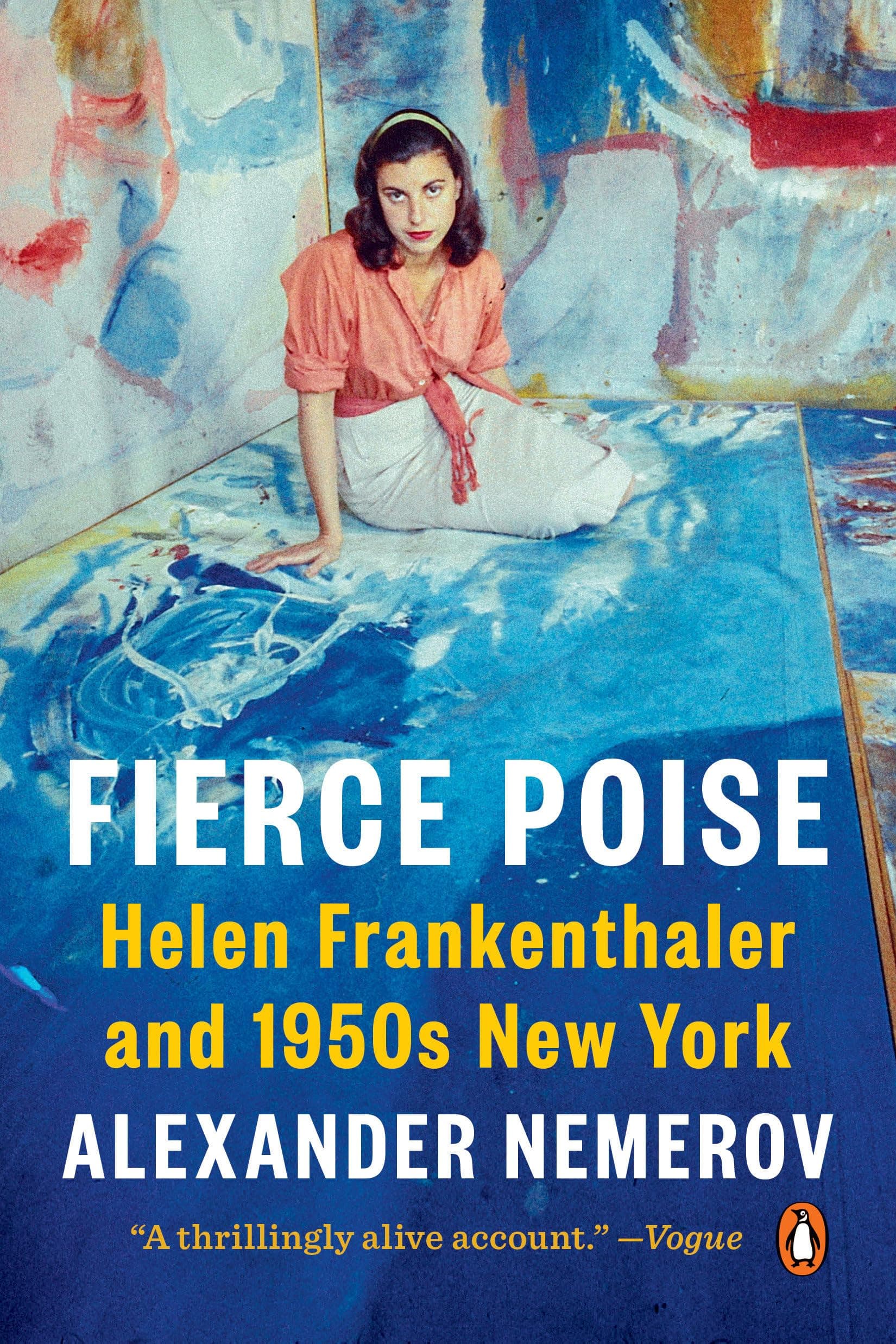 Further reading: Fierce Poise: Helen Frankenthaler and 1950s New York — Alexander Nemerov
Mountains and Sea blue
Thinned blue soaking into raw canvas — watercolor at mural scale.
Material: Oil paint thinned with turpentine on raw canvas
RGB(106, 154, 186)
Stain pink
Pink soaked into canvas like a blush or wine spill.
Material: Alizarin crimson, thinned, on raw canvas
RGB(216, 160, 160)
Raw canvas ground
Unprimed canvas as positive element — visible between stains.
Material: Bare cotton duck canvas
RGB(217, 200, 168)
Pour green
Green poured and allowed to pool naturally.
Material: Viridian thinned with turpentine
RGB(74, 138, 90)
Amber soak
Warm amber soaking into canvas weave.
Material: Raw sienna, cadmium yellow thinned
RGB(184, 144, 80)
Lavender field
Pale lavender stain — ethereal, atmospheric.
Material: Cobalt violet, ultramarine thinned with turpentine
RGB(154, 138, 176)
Pigments: Alizarin crimson · Viridian · Cadmium yellow · Sienna · Ultramarine · Cobalt violet
Rothko
1903–1970Latvian-American
Painter of luminous color fields that evoke the sublime. His chapel in Houston is a secular sacred space.
Multiple thin glazes of oil and egg tempera on huge canvases. Edges of color rectangles are soft, breathing. Late works darken toward black.
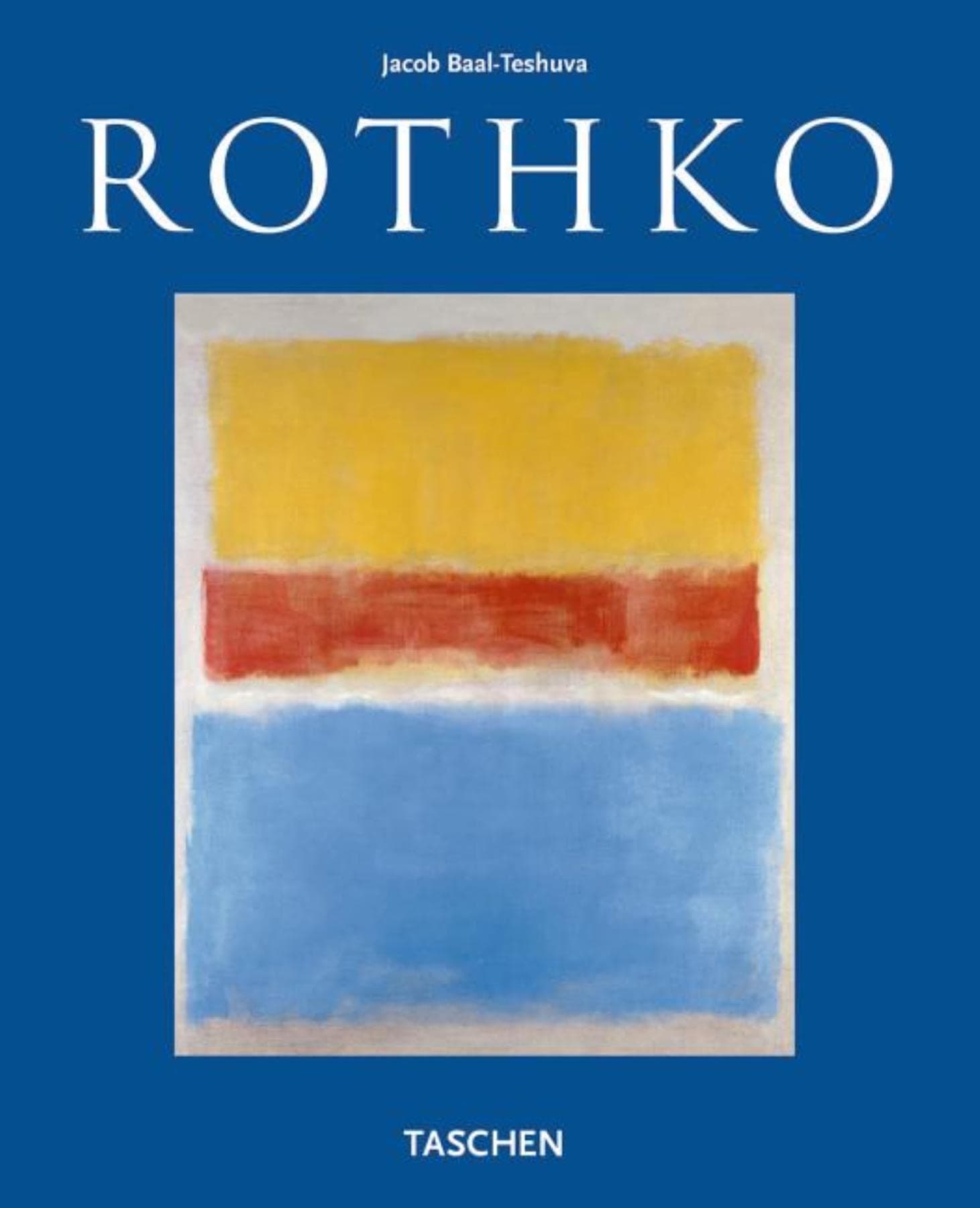 Further reading: Rothko — Jacob Baal-Teshuva
Rothko orange
Luminous orange — dozens of thin glazes creating inner glow.
Material: Cadmium orange, cadmium red in egg/oil emulsion, many layers
RGB(216, 112, 48)
Chapel black
The near-black of the Rothko Chapel — not void but depth.
Material: Mars black, ultramarine in thin glazes
RGB(26, 20, 24)
Rothko yellow
Warm yellow field — vibrates against adjacent reds.
Material: Cadmium yellow, egg tempera glazes
RGB(216, 176, 48)
Seagram red
Deep blood-red of the Seagram Murals.
Material: Alizarin crimson, cadmium red in thin glazes
RGB(140, 26, 26)
Rothko blue
Cool blue field — serene, meditative.
Material: Ultramarine, cobalt blue in egg/oil emulsion
RGB(58, 90, 122)
Soft edge grey
The breathing grey where two color fields meet.
Material: Mixed edge — colors blending at boundary
RGB(122, 122, 120)
Pigments: Cadmium red · Cadmium yellow · Ultramarine · Alizarin crimson · Cobalt blue
Related Materials
If this palette inspired you, here’s what to paint with.
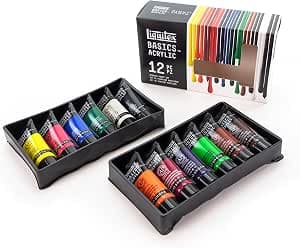 Liquitex BASICS Acrylic Paint Set, 12 TubesView on Amazon
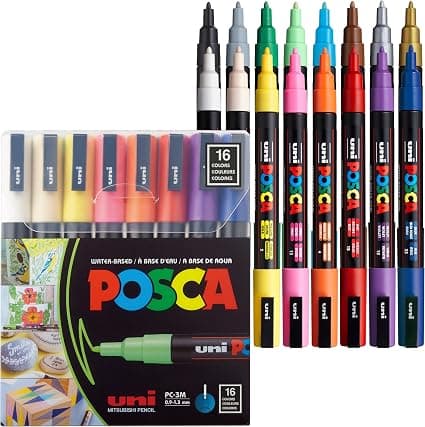 Posca Paint Markers, Fine Tip, Set of 16View on Amazon
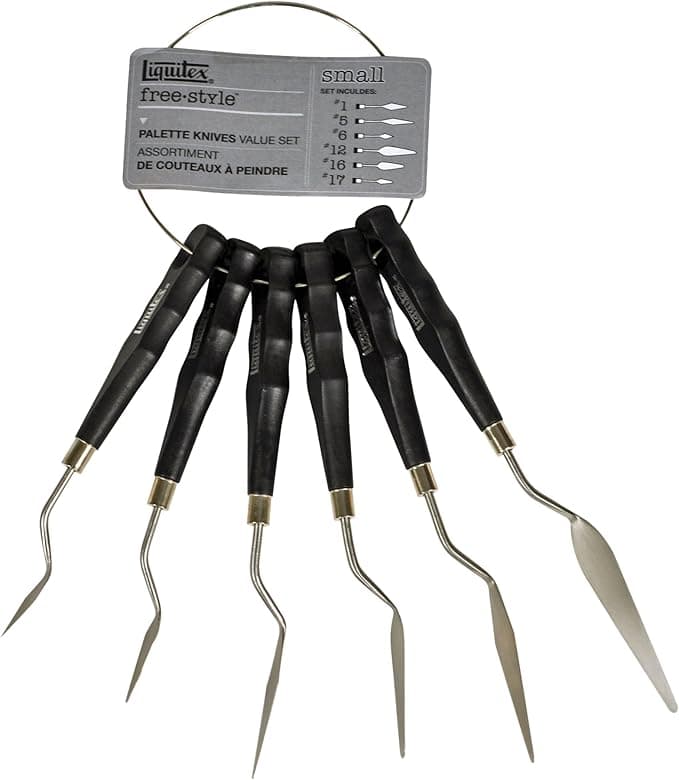 Liquitex Professional Freestyle Palette Knives, 6-Piece SetView on Amazon
As an Amazon Associate, Pigmentoria earns from qualifying purchases. This page may contain affiliate links.