Baroque Chiaroscuro
1590–1680Light and shadow as dramatic narrative force - one raking source over a dark ground. The method carried from Rome to Antwerp, Toledo and Amsterdam.
Oil on canvas with dark grounds. Controlled studio lighting — single source, high contrast.
Caravaggio
1571–1610Italian
Revolutionary who painted directly from life with radical chiaroscuro. Direct ancestor of Film Noir lighting.
Painted alla prima on dark red-brown grounds. Single candle or window as light source.
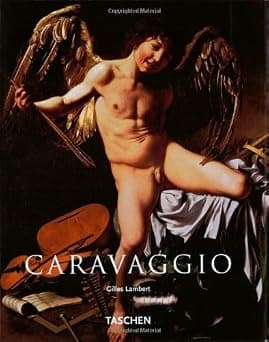 Further reading: Caravaggio, 1571-1610 (Taschen Basic Art Series) — Gilles Lambert
Cellar darkness
Near-absolute dark from which figures emerge. Dark ground left exposed.
Material: Dark bole ground left unpainted
RGB(13, 11, 8)
Candle strike
Hot spot where candlelight hits flesh at maximum intensity.
Material: Lead white with yellow ochre, thick
RGB(232, 212, 170)
Judith's blood
Dark arterial red — deep and threatening.
Material: Vermilion darkened with lake and black
RGB(107, 26, 26)
Roman street flesh
Real models — tanned, imperfect, alive.
Material: Lead white, yellow ochre, vermilion, verdaccio
RGB(196, 154, 106)
Basket of Fruit green
Dark green of wilting leaves — already dying.
Material: Verdigris, yellow ochre, lamp black
RGB(74, 90, 42)
Golden glaze
Where light transitions to shadow — thin oil glaze over dark ground.
Material: Yellow ochre, raw sienna in thin glaze
RGB(138, 106, 42)
Pigments: Ochre · Lead white · Vermilion · Verdigris · Lamp black · Sienna
Rembrandt van Rijn
1606–1669Dutch
Master of light, shadow, and psychology. Late self-portraits are the most honest in art history.
Revolutionary impasto in late work. Palette knife and fingers. Golden tonality from lead-tin yellow glazes.
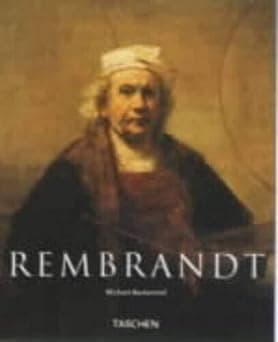 Further reading: Rembrandt (Basic Art) — Michael Bockemühl
Night Watch gold
Famous golden light — lead-tin yellow thick impasto catching real light.
Material: Lead-tin yellow, thick impasto
RGB(184, 146, 42)
Rembrandt shadow
Deep warm shadow — never cold, never dead.
Material: Bone black, burnt umber, bitumen
RGB(26, 20, 8)
Late self-portrait flesh
Aged lived-in flesh. Applied with palette knife.
Material: Lead white, yellow ochre, vermilion — knife
RGB(185, 138, 90)
Vermilion cap
Single saturated accent — cap or sash.
Material: Pure vermilion
RGB(168, 58, 26)
Ruff white
Not pure white — warm, creamy, slightly aged linen.
Material: Lead white with yellow ochre trace
RGB(216, 208, 192)
Studio brown
Warm brown of most picture surface — the tone of his studio.
Material: Raw umber, burnt sienna, Kassel earth
RGB(91, 58, 26)
Pigments: Lead-tin yellow · Umber · Bitumen · Bone black · Vermilion · Ochre · Lead white · Sienna
Diego Velázquez
1599–1660Spanish
Court painter to Philip IV. Master of optical truth — painted how things look, not how they are.
Achieved illusion of detail with remarkably few brushstrokes. Late technique influenced Manet directly.
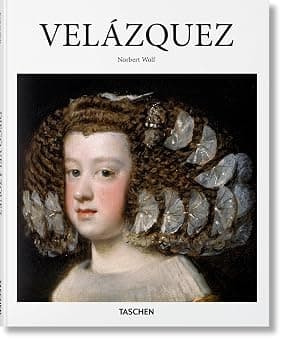 Further reading: Velázquez (Basic Art) — Norbert Wolf
Infanta silver
Cool silver-grey of silk — signature neutral.
Material: Lead white, lamp black, smalt trace
RGB(168, 168, 168)
Habsburg black
Deep black of Spanish court dress.
Material: Bone black on dark ground
RGB(27, 26, 26)
Court flesh
Pale indoor court flesh — cooler than Caravaggio's.
Material: Lead white, vermilion, yellow ochre
RGB(216, 180, 152)
Meninas red
Warm red accents muted by atmospheric perspective.
Material: Vermilion, red ochre, lake
RGB(138, 42, 26)
Optical green
Suggested rather than stated — dissolves at close range.
Material: Terre verte, yellow ochre, azurite mixed optically
RGB(74, 90, 58)
Atmospheric blue
The color of air itself — visible in backgrounds.
Material: Lead white, smalt, lamp black
RGB(122, 138, 154)
Pigments: Lead white · Lamp black · Bone black · Vermilion · Ochre · Azurite · Green earth
Peter Paul Rubens
1577–1640Flemish
Monumental energy, flesh, movement. Most virtuosic flesh painting in art history.
Light-toned grounds, fluid translucent paint. Flesh technique — streaks of vermilion, blue veins, cool shadows.
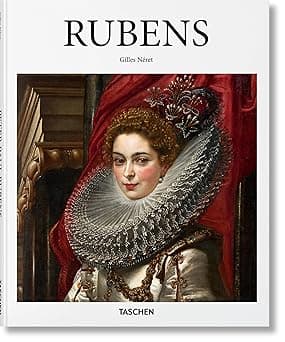 Further reading: Rubens (Basic Art) — Gilles Néret
Rubensian flesh
Most famous flesh in painting — warm, luminous, pulsing.
Material: Lead white, vermilion, yellow ochre on light ground
RGB(224, 184, 144)
Vein blue
Cool blue strokes indicating veins beneath skin.
Material: Smalt or azurite with lead white
RGB(106, 122, 138)
Blush carmine
Bright warm accents on lips, knuckles.
Material: Carmine lake (cochineal) unmixed
RGB(200, 74, 74)
Rubens storm sky
Dramatic skies behind battle scenes.
Material: Lamp black, smalt, lead white
RGB(74, 74, 90)
Golden hair
Golden highlights of blonde subjects.
Material: Lead-tin yellow, yellow ochre, lead white
RGB(200, 160, 80)
Flesh shadow
Cool grey-brown in flesh shadows — form recedes.
Material: Raw umber, lamp black, lead white
RGB(122, 106, 90)
Pigments: Vermilion · Ochre · Lead white · Azurite · Madder and the red lakes · Lamp black · Lead-tin yellow · Umber
Francisco de Zurbarán
1598–1664Spanish
Painter of monks and mystical visions. White-on-white drapery unmatched in Western painting.
Master of white fabric in shadow — extraordinary tonal range in near-monochrome.
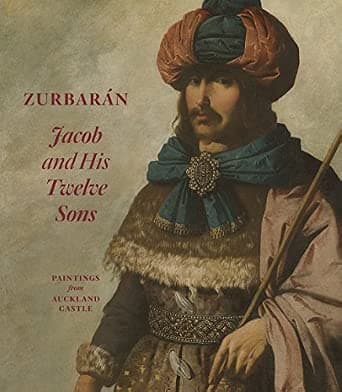 Further reading: Zurbaran: Jacob and His Twelve Sons, Paintings from Auckland Castle — Susan Grace Galassi, Edward Payne, Mark A. Roglan
Monastic white
Warm off-white of unwashed wool habit.
Material: Lead white, raw umber, yellow ochre
RGB(217, 208, 192)
Habit shadow
Grey of white fabric in shadow — great subject.
Material: Lead white, raw umber, lamp black
RGB(138, 128, 112)
Mystical dark
Near-black backgrounds for saints in vision.
Material: Bone black on dark ground
RGB(10, 8, 8)
Saint's brocade
Gold brocade — worldly luxury in sacred context.
Material: Yellow ochre, lead-tin yellow, orpiment
RGB(184, 154, 58)
Bodegón lemon
Still life lemons — scientific precision.
Material: Lead-tin yellow, orpiment
RGB(200, 176, 64)
Franciscan brown
Coarse Franciscan wool dyed with walnut.
Material: Raw umber, burnt umber, yellow ochre
RGB(90, 64, 32)
Pigments: Ochre · Umber · Lead white · Lamp black · Bone black · Orpiment · Lead-tin yellow
El Greco
1541–1614Greek-Spanish
Fused Byzantine icon tradition with Venetian color and Mannerist elongation. Ecstatic visions without parallel.
Cool grey-greens with hot carmine and deep blue — Byzantine-Venetian fusion. Figures glow from within.
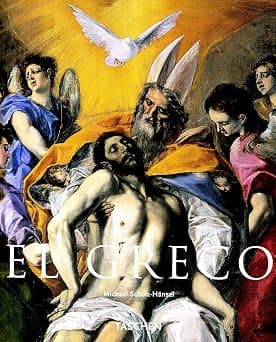 Further reading: El Greco (Taschen Basic Art Series) — Michael Scholz-Hänsel
Toledo storm
Grey-green of Toledo's stormy sky — signature atmospheric tone.
Material: Terre verte, lead white, lamp black, azurite
RGB(74, 90, 74)
Ecstasy carmine
Hot carmine of robes in ecstatic scenes.
Material: Crimson lake with vermilion
RGB(168, 42, 74)
Spectral flesh
Pale ghostly flesh lit from within.
Material: Lead white, yellow ochre, terre verte
RGB(184, 168, 144)
Heaven's tear
Byzantine icon blue, not Renaissance sky blue.
Material: Ultramarine or indigo
RGB(42, 58, 106)
Sulfurous light
Unearthly yellow-green in miraculous scenes.
Material: Lead-tin yellow, orpiment, terre verte
RGB(200, 184, 72)
Burial black
Blue-black of the Burial of the Count of Orgaz.
Material: Bone black with azurite trace
RGB(26, 26, 32)
Pigments: Azurite · Green earth · Lead white · Lamp black · Vermilion · Madder and the red lakes · Ochre · Ultramarine · Orpiment · Lead-tin yellow · Bone black
Bartolomé Esteban Murillo
1617–1682Spanish
Painter of soft-focus madonnas and street urchins. Seville's most beloved painter — tender where Zurbarán is austere.
Soft, atmospheric sfumato (estilo vaporoso). Warmer and lighter than most Spanish Baroque. Sweet but technically masterful.
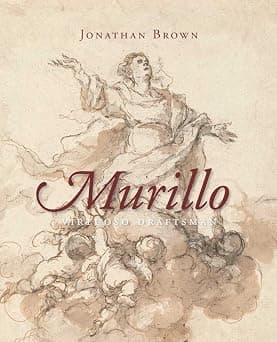 Further reading: Murillo: Virtuoso Draftsman — Jonathan Brown (Yale University Press)
Vaporoso blue
Soft atmospheric blue of Immaculate Conception paintings.
Material: Ultramarine, lead white, glazed thin
RGB(75, 122, 170)
Madonna white
Luminous warm white of the Virgin's robes.
Material: Lead white, yellow ochre trace
RGB(224, 216, 200)
Street urchin brown
Warm brown of ragged clothing and tanned skin.
Material: Raw umber, burnt sienna, yellow ochre
RGB(106, 74, 42)
Golden haze
Warm golden atmospheric glow.
Material: Yellow ochre, Naples yellow, lead white
RGB(200, 168, 96)
Cherub flesh
Soft, warm flesh of putti and children.
Material: Lead white, vermilion, yellow ochre
RGB(224, 192, 160)
Seville shadow
Warm brown shadow — softer than Caravaggio.
Material: Burnt umber, raw umber, lamp black
RGB(58, 42, 26)
Pigments: Ultramarine · Lead white · Ochre · Umber · Sienna · Naples yellow · Vermilion · Lamp black
Related Materials
If this palette inspired you, here’s what to paint with.
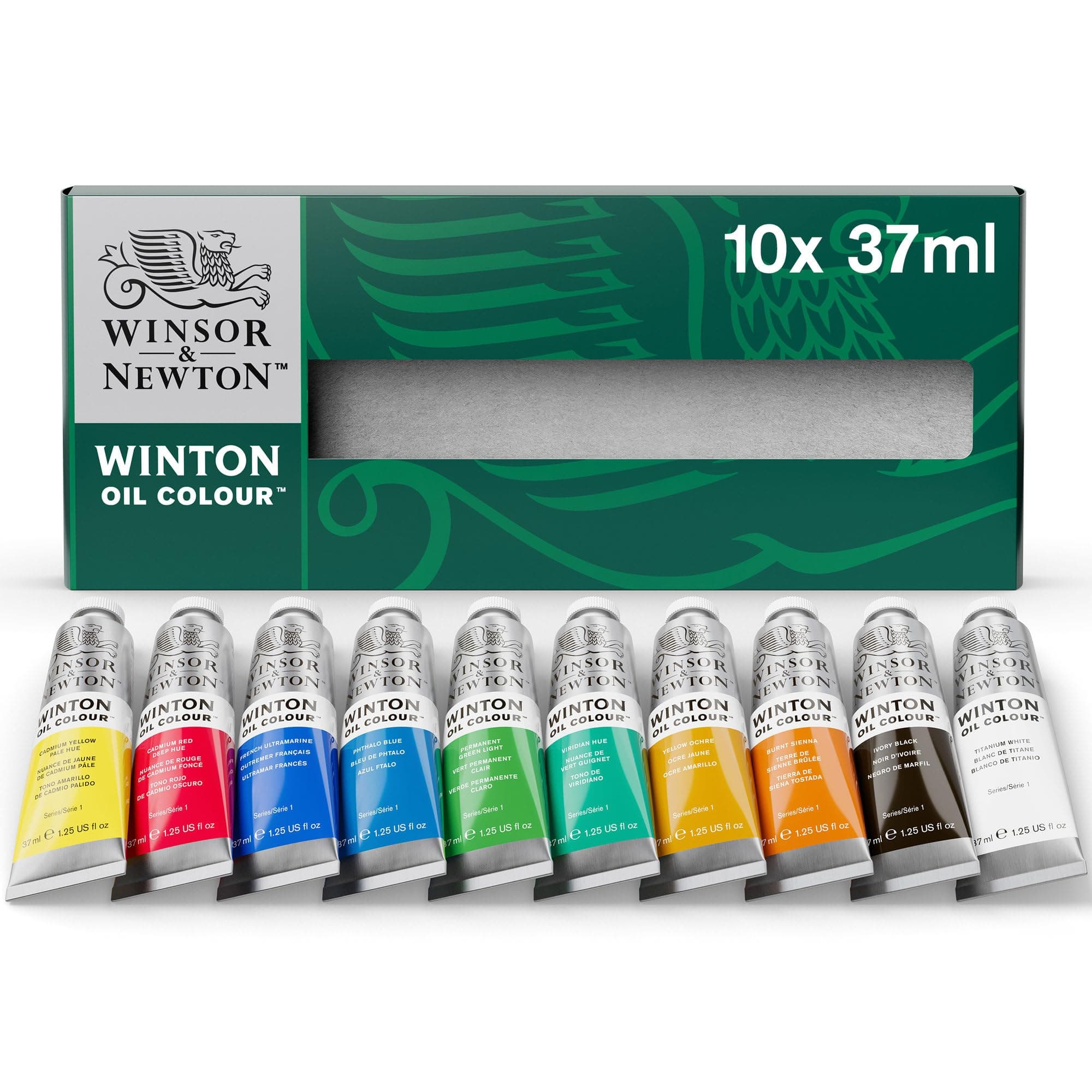 Winsor & Newton Winton Oil Colour Starter Set, 10 TubesView on Amazon
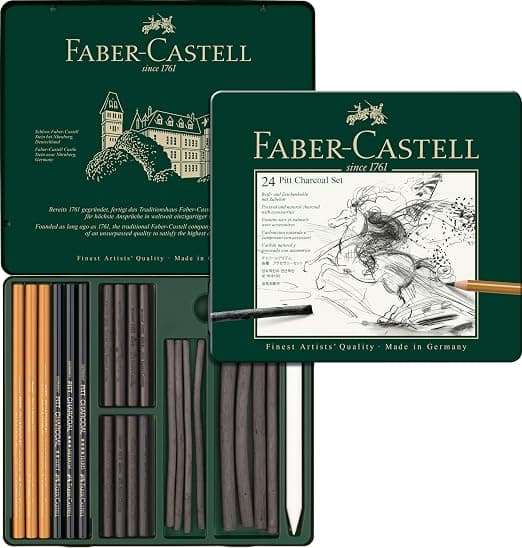 Faber-Castell Pitt Charcoal Set, 24 PieceView on Amazon
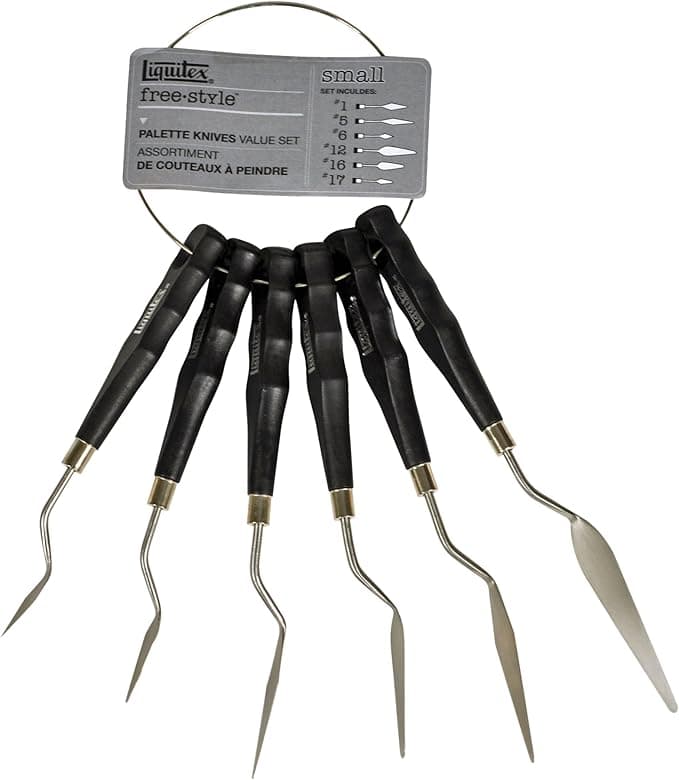 Liquitex Professional Freestyle Palette Knives, 6-Piece SetView on Amazon
As an Amazon Associate, Pigmentoria earns from qualifying purchases. This page may contain affiliate links.