Late 20th Century & Contemporary
1960–presentPainting after the 'death of painting' — Hockney's California, Basquiat's graffiti, Richter's blur, Saville's new flesh.
Acrylic paint, spray paint, industrial materials. Photography as source. Return to the figure with new urgency.
David Hockney
b. 1937British
Painter of California light, swimming pools, and the joy of looking. A Bigger Splash — acrylic sunshine.
Early adoption of acrylic paint — flat, quick-drying, perfect for California light. Clean edges, flat color, photographic composition.
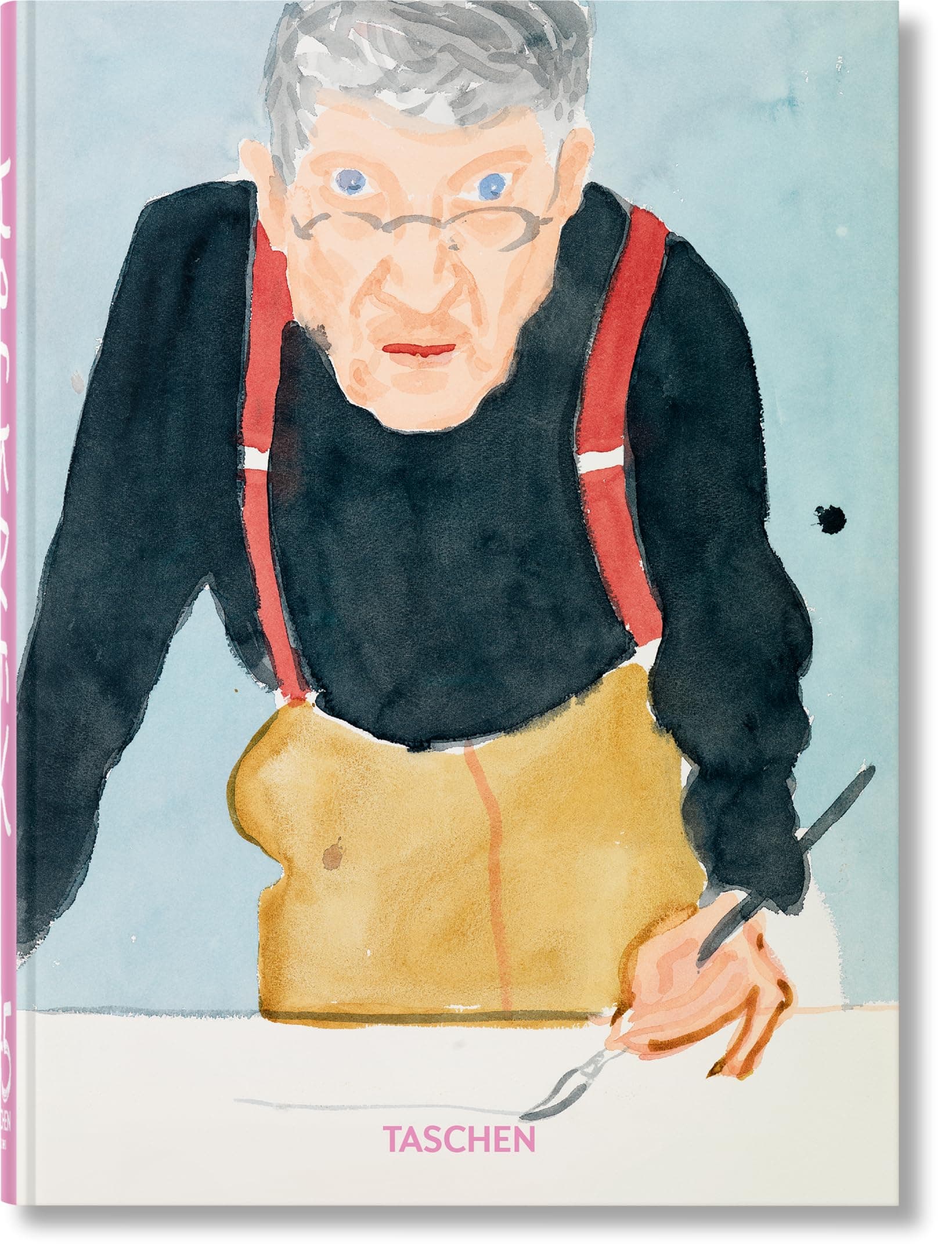 Further reading: David Hockney. A Chronology. 40th Anniversary Edition — Hans Werner Holzwarth (ed.)
Swimming pool blue
The blue of Southern California pools — acrylic perfection.
Material: Cerulean blue, cobalt blue in acrylic
RGB(58, 138, 202)
Bigger Splash white
The frozen splash — white acrylic against pool blue.
Material: Titanium white acrylic
RGB(233, 232, 224)
California gold
Warm golden light of LA afternoons.
Material: Cadmium yellow, Naples yellow in acrylic
RGB(216, 184, 96)
Sprinkler lawn
The artificially green lawn of American suburbs.
Material: Viridian, cadmium yellow in acrylic
RGB(75, 138, 58)
Patio terracotta
Warm terracotta of poolside patios.
Material: Burnt sienna, yellow ochre in acrylic
RGB(184, 122, 74)
Shadow on concrete
Cool blue shadow on hot concrete.
Material: Cobalt blue, raw umber in acrylic
RGB(91, 106, 138)
Pigments: Cobalt blue · Cerulean blue · Titanium white · Naples yellow · Cadmium yellow · Viridian · Ochre · Sienna · Umber
Jean-Michel Basquiat
1960–1988American
From graffiti to gallery in two years. Fused street art, anatomy, African diaspora, jazz, and art history.
Oil stick, acrylic, spray paint, collage on massive canvases. Raw, urgent, deliberately unfinished.
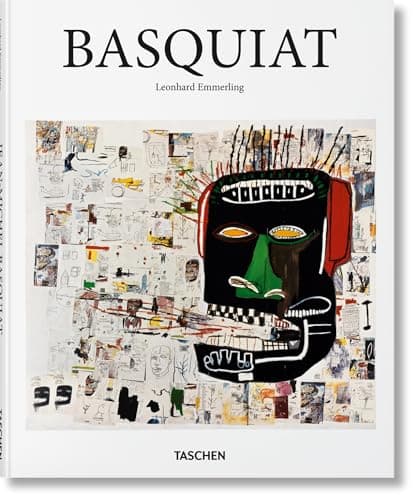 Further reading: Basquiat (Taschen Basic Art) — Leonhard Emmerling
Crown yellow
Bright yellow of the signature three-pointed crown.
Material: Cadmium yellow oil stick, spray paint
RGB(233, 192, 32)
Skull bone white
Off-white of exposed canvas and anatomical drawings.
Material: Titanium white acrylic, raw canvas
RGB(225, 216, 192)
Street red
Urgent red of spray paint and oil stick.
Material: Cadmium red oil stick, red spray paint
RGB(201, 32, 32)
Tar pit black
Dense black of outline and obsessive mark-making.
Material: Black oil stick, acrylic, spray paint
RGB(10, 10, 8)
Cobalt scrawl
Deep blue of gestural marks and text.
Material: Cobalt blue oil stick
RGB(42, 74, 154)
Anatomy ochre
Yellow-brown of anatomical drawings and self-portraits.
Material: Yellow ochre, raw sienna oil stick
RGB(202, 160, 80)
Pigments: Cadmium yellow · Titanium white · Cadmium red · Cobalt blue · Ochre · Sienna
Gerhard Richter
b. 1932German
Painter between photography and abstraction. Photo-paintings blur the image; abstract works are pure squeegeed color.
Photo-paintings: oil blurred with dry brush. Abstractions: layers of paint dragged with giant squeegee revealing colors beneath.
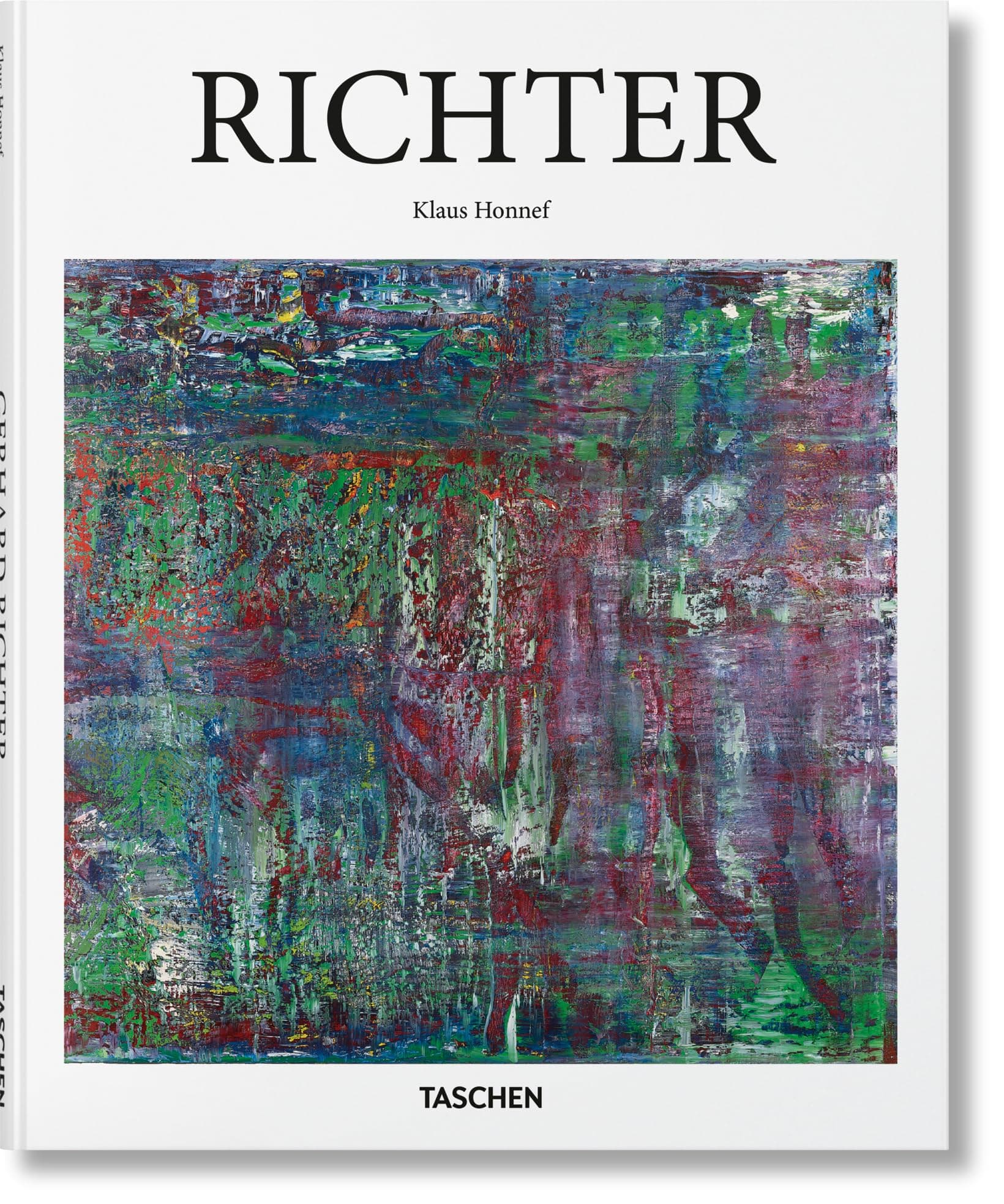 Further reading: Richter (Taschen Basic Art) — Klaus Honnef
Photo blur grey
The neutral grey of blurred photographs — memory fading.
Material: Lamp black, titanium white, dry-brushed
RGB(140, 138, 138)
Squeegee red
Red revealed by dragging squeegee across wet layers.
Material: Cadmium red, dragged with squeegee
RGB(186, 48, 32)
Abstraction blue
Blue layer exposed beneath greens and reds.
Material: Cobalt blue, squeegee application
RGB(43, 74, 138)
Candle glow
Warm yellow of the blurred candle paintings.
Material: Cadmium yellow, Naples yellow, blurred
RGB(217, 184, 96)
Abstract forest
Dark green in squeegeed abstract paintings.
Material: Viridian, chrome green, squeegeed
RGB(43, 90, 58)
Glass pane white
The cold white of Richter's glass and mirror works.
Material: Titanium white, zinc white
RGB(224, 224, 224)
Pigments: Titanium white · Lamp black · Cadmium red · Cobalt blue · Naples yellow · Cadmium yellow · Viridian · Chrome green · Zinc white
Jenny Saville
b. 1970British
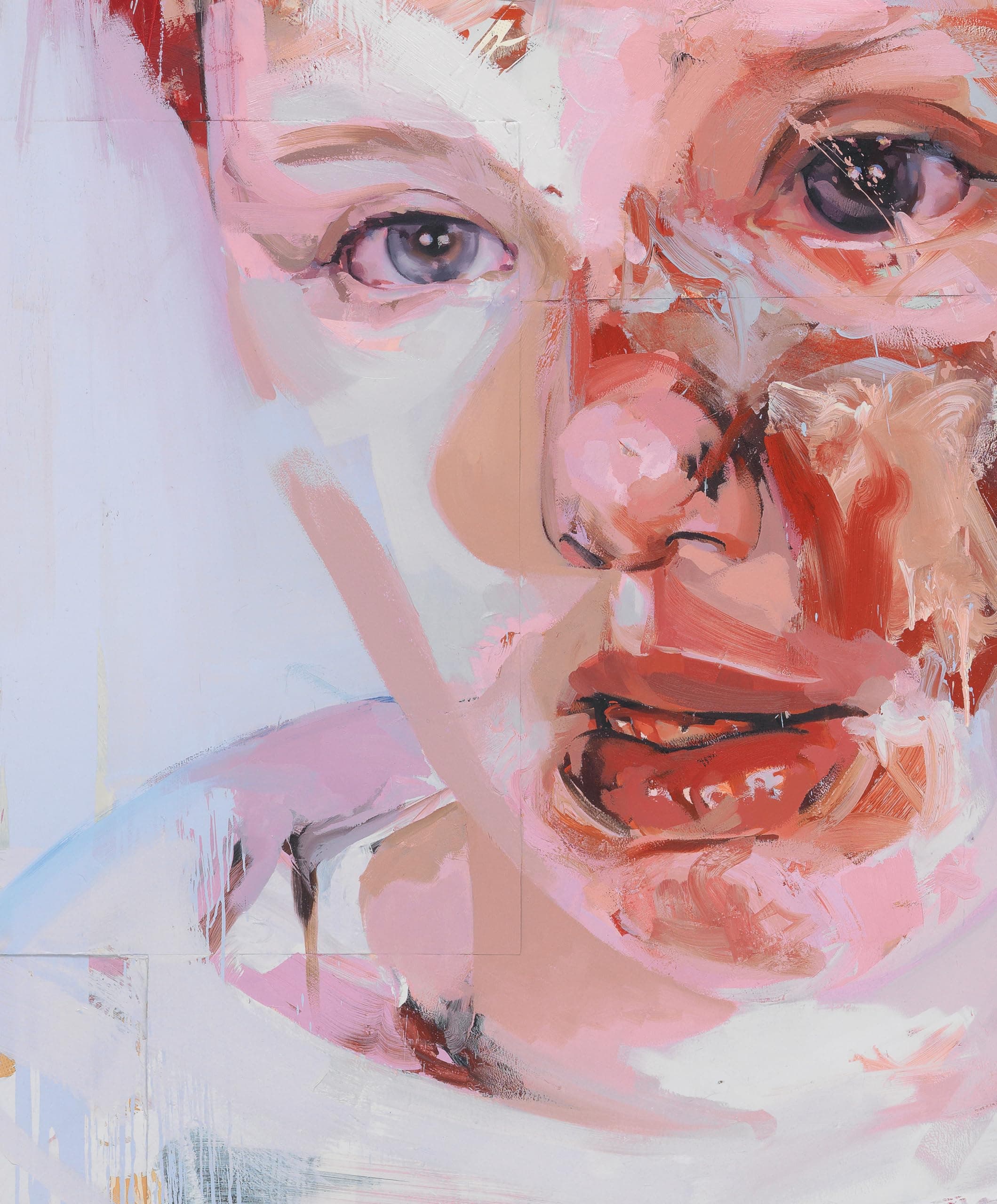
Painter of flesh at monumental scale — the body under pressure, surgery, gravity, transformation.
Enormous canvases (up to 10 feet). Thick impasto flesh built up with palette knife. Medical photography as reference.
 Further reading: Jenny Saville — Richard Calvocoressi, Mark Stevens
Bruise flesh
Flesh under pressure — warm but damaged.
Material: Lead white, cadmium red, yellow ochre, palette knife
RGB(200, 160, 136)
Surgical blue
Cool blue of veins and medical lighting.
Material: Cobalt blue, cerulean, lead white
RGB(74, 106, 138)
Scar tissue red
Red of healing wounds and irritated skin.
Material: Cadmium red, alizarin crimson
RGB(168, 58, 58)
Adipose yellow
Yellow of subcutaneous fat — medical truth.
Material: Cadmium yellow, Naples yellow, raw sienna
RGB(200, 168, 80)
Mortuary white
Pale flesh drained of blood — forensic.
Material: Lead white, zinc white, raw umber trace
RGB(221, 208, 192)
Contusion purple
Purple of deep bruising — blood pooling under skin.
Material: Alizarin crimson, cobalt blue, burnt umber
RGB(106, 58, 90)
Pigments: Cadmium red · Ochre · Lead white · Cobalt blue · Alizarin crimson · Naples yellow · Cadmium yellow · Sienna · Umber · Zinc white
Cecily Brown
b. 1969British
Abstract-figurative painter — bodies dissolving into landscapes of paint. De Kooning's heir with old-master references.
Rapid, gestural oil painting. Figures emerge and disappear in swirls of color. References Rubens, de Kooning, Degas.
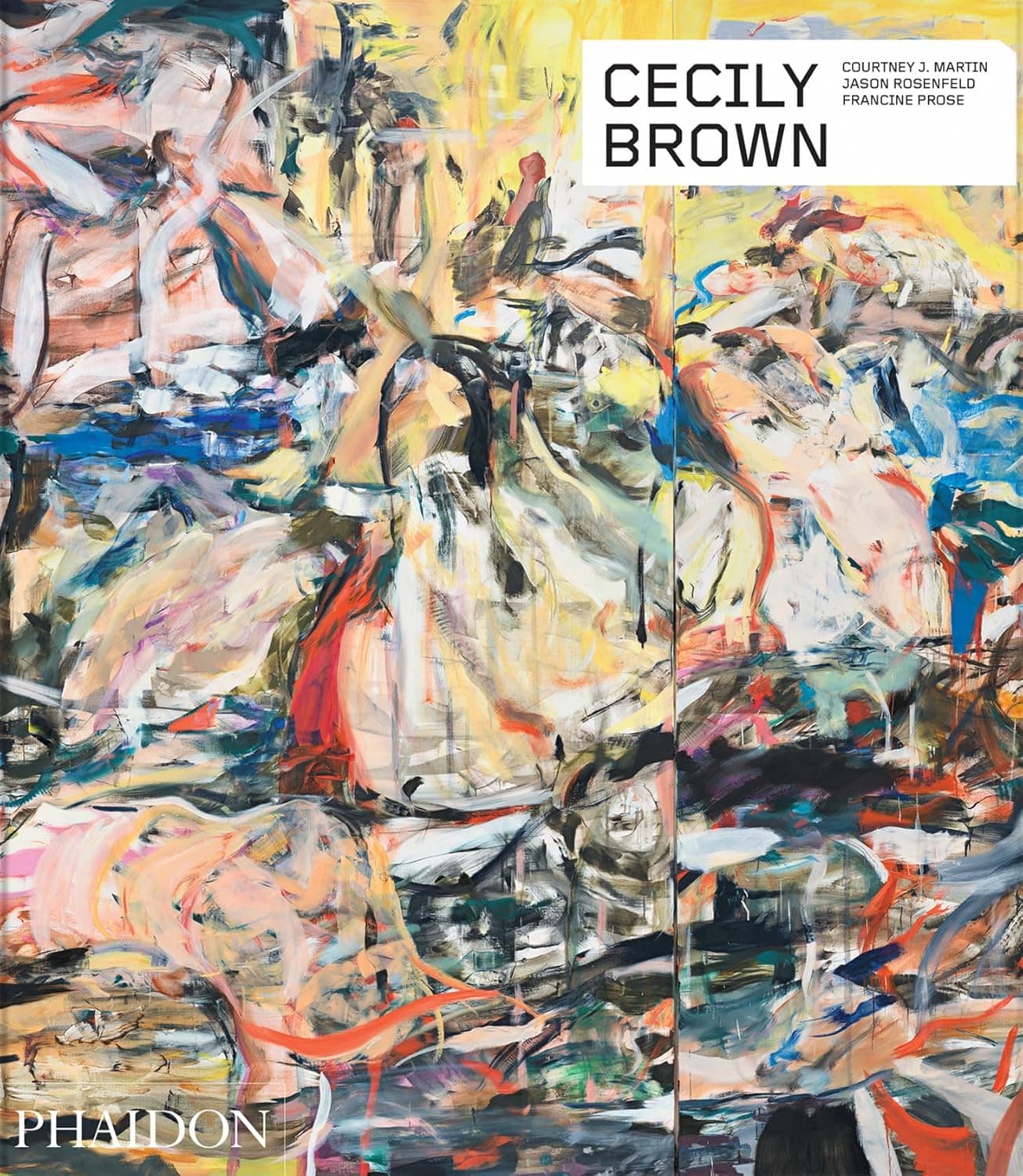 Further reading: Cecily Brown (Phaidon Contemporary Artists Series) — Courtney J. Martin, Jason Rosenfeld, Francine Prose
Dissolving flesh
Flesh tone that blurs into abstraction.
Material: Lead white, cadmium orange, yellow ochre in oil
RGB(216, 152, 112)
Gesture red
Bold red sweeping across canvas — body or drapery.
Material: Cadmium red, alizarin crimson
RGB(184, 48, 48)
Garden tangle
Lush green of landscapes where figures hide.
Material: Viridian, cadmium yellow, sap green
RGB(59, 106, 58)
Sky fragment
Blue patches — sky glimpsed through chaos.
Material: Cerulean blue, cobalt blue, titanium white
RGB(90, 138, 186)
Rubensian ground
Warm brown underpainting — old master reference.
Material: Burnt sienna, raw umber
RGB(109, 74, 42)
Impasto highlight
Thick white catching light — peaks of paint.
Material: Titanium white, lead white, thick impasto
RGB(237, 224, 208)
Pigments: Cadmium yellow · Ochre · Lead white · Alizarin crimson · Cadmium red · Viridian · Sap green · Cobalt blue · Cerulean blue · Titanium white · Umber · Sienna
Lynette Yiadom-Boakye
b. 1977British-Ghanaian
Painter of imagined Black subjects — not portraits but fictions. Completed in a single day, each painting.
Works alla prima — each painting finished in one session. Muted, old-master-referencing palette applied with liquid fluency.
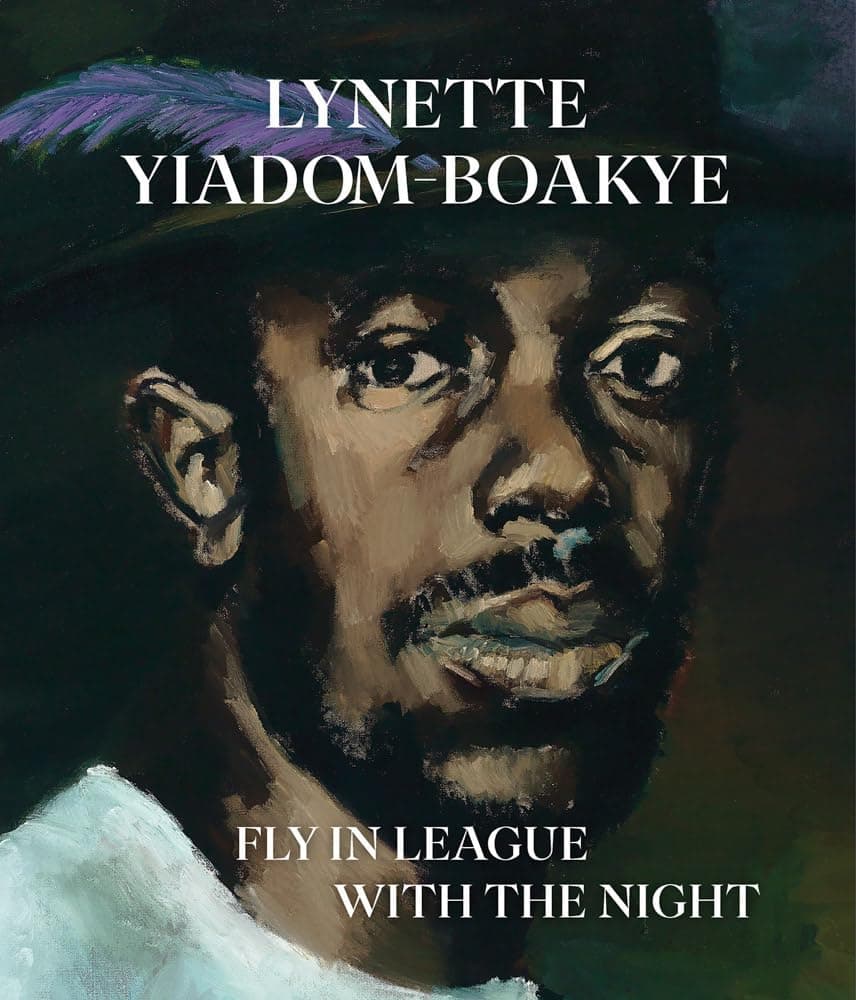 Further reading: Lynette Yiadom-Boakye: Fly In League With The Night — Isabella Maidment, Andrea Schlieker (Tate Britain)
Invented portrait skin
Rich dark skin tone — warm, luminous from within.
Material: Burnt umber, yellow ochre, cadmium red, lead white
RGB(90, 58, 42)
Ground olive
Muted olive-brown backgrounds — timeless, placeless.
Material: Raw umber, yellow ochre, viridian
RGB(74, 74, 48)
Fiction white
Off-white of clothing — warm, not clinical.
Material: Lead white, raw umber, yellow ochre
RGB(209, 200, 184)
Nocturne blue (Yiadom-Boakye)
Deep blue-black of night scenes.
Material: Prussian blue, ivory black
RGB(42, 42, 74)
Skin highlight
Golden highlight where light catches dark skin.
Material: Yellow ochre, cadmium yellow, lead white
RGB(168, 138, 80)
Muted accent red
Subdued red — never shouts, always restrained.
Material: Burnt sienna, cadmium red, muted
RGB(140, 58, 42)
Pigments: Cadmium red · Ochre · Umber · Lead white · Viridian · Prussian blue · Bone black · Cadmium yellow · Sienna
Related Materials
If this palette inspired you, here’s what to paint with.
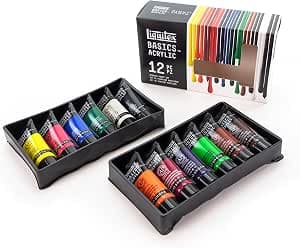 Liquitex BASICS Acrylic Paint Set, 12 TubesView on Amazon
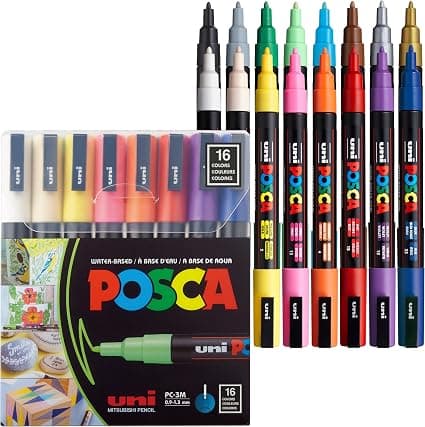 Posca Paint Markers, Fine Tip, Set of 16View on Amazon
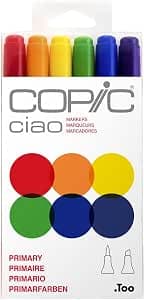 Copic Ciao Alcohol Markers, Set of 6View on Amazon
As an Amazon Associate, Pigmentoria earns from qualifying purchases. This page may contain affiliate links.