Mid-Century Figurative
1930–1980Painters who maintained the figure while modernism went abstract — Hopper's loneliness, Freud's flesh, Kahlo's pain, Bacon's screams.
Oil on canvas with varied techniques — Hopper's clean geometry, Freud's thick impasto flesh, Kahlo's symbolic realism, Bacon's cage-like spaces.
Edward Hopper
1882–1967American
Painter of American solitude. Nighthawks, gas stations, empty hotel rooms — the loneliness of modern life.
Clean, architectural technique. Strong light/shadow creating geometric compositions. Limited palette — institutional greens, warm yellows, cool shadows.
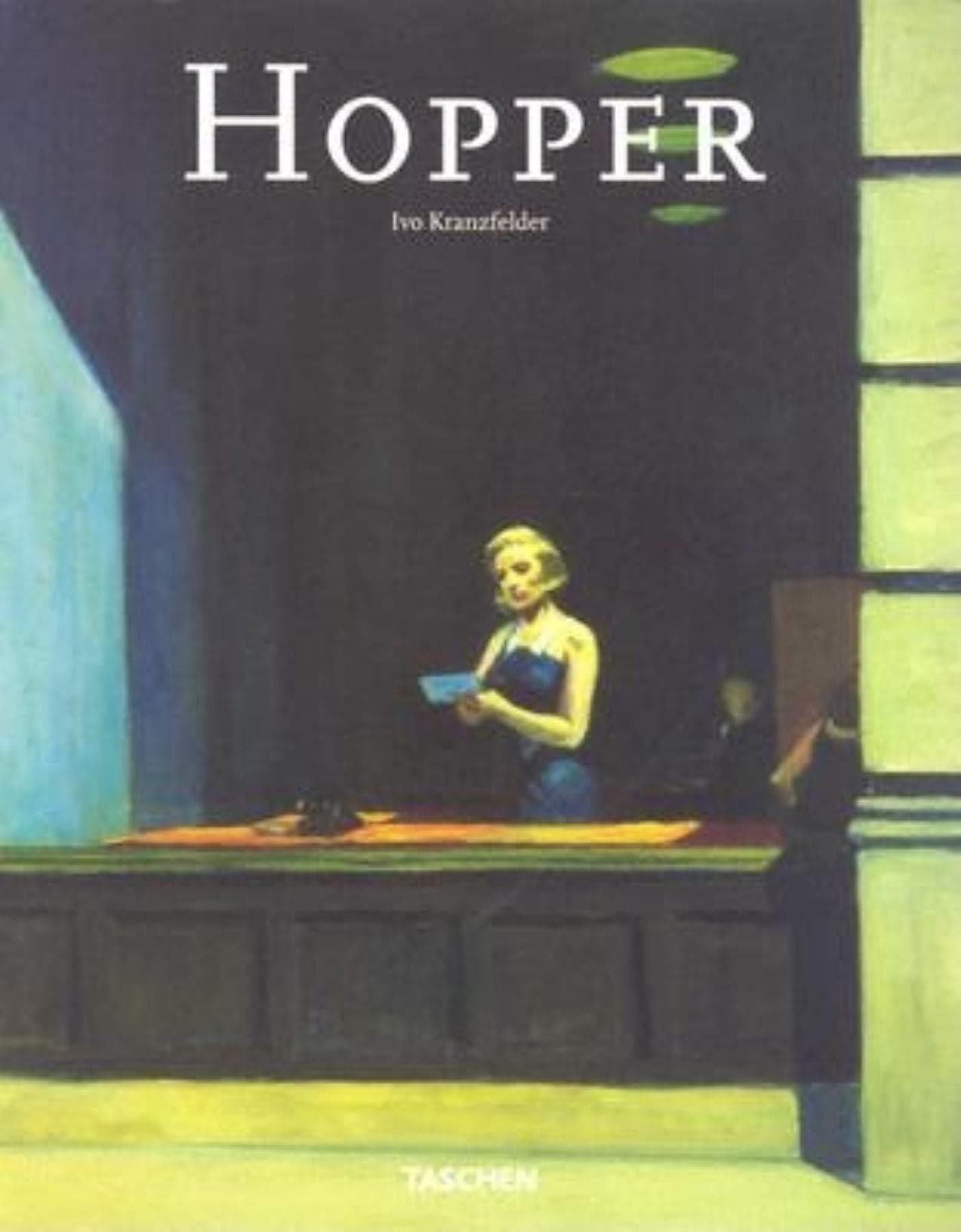 Further reading: Hopper — Ivo Kranzfelder
Nighthawks green
The institutional green of diner walls — banal, fluorescent.
Material: Viridian, chrome green, lead white
RGB(58, 90, 58)
Diner light
Warm yellow of fluorescent tubes — the only light in the night.
Material: Cadmium yellow, Naples yellow, lead white
RGB(216, 200, 128)
Urban shadow
Cool blue-black of nighttime streets — isolating.
Material: Ultramarine, lamp black, Prussian blue
RGB(42, 42, 56)
Hopper brick
Warm brownstone brick — the material of American city.
Material: Red ochre, burnt sienna, yellow ochre
RGB(138, 74, 48)
Morning in the City
Pale warm morning light through hotel windows.
Material: Lead white, Naples yellow, raw sienna
RGB(218, 200, 168)
Hotel room blue
Cool blue of institutional hotel walls.
Material: Cobalt blue, lead white, lamp black
RGB(90, 106, 138)
Pigments: Viridian · Chrome green · Lead white · Naples yellow · Cadmium yellow · Ultramarine · Prussian blue · Lamp black · Ochre · Sienna · Cobalt blue
Frida Kahlo
1907–1954Mexican
Painter of pain, identity, and Mexican iconography. Self-portraits as autobiography — each wound documented.
Influenced by Mexican folk art and ex-voto tradition. Bright, flat colors with symbolic, not naturalistic intent.
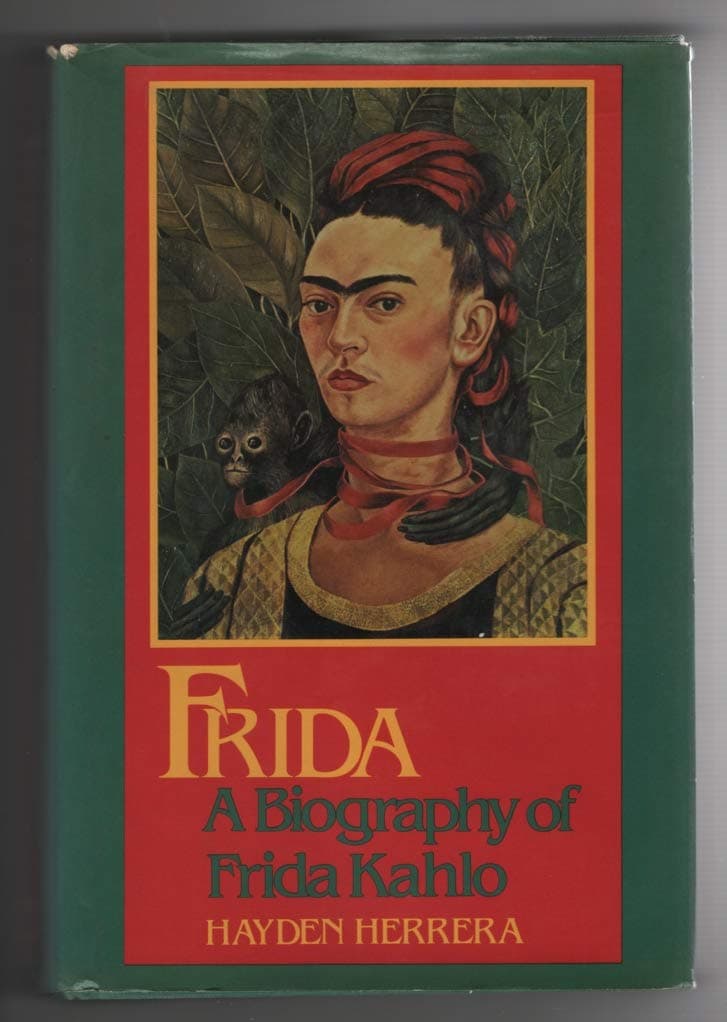 Further reading: Frida: A Biography of Frida Kahlo — Hayden Herrera
Casa Azul blue
The cobalt blue of Kahlo's house in Coyoacán.
Material: Cobalt blue, ultramarine
RGB(26, 90, 170)
Blood ribbon
Blood flowing like ribbon — pain made visible.
Material: Cadmium red, vermilion
RGB(168, 26, 26)
Mexican pink
Vibrant pink of Mexican folk tradition.
Material: Alizarin crimson, cadmium red, lead white
RGB(216, 90, 138)
Jungle green
Deep tropical green — lush Mexican vegetation.
Material: Viridian, chrome green
RGB(42, 106, 42)
Cempasúchil yellow
Marigold yellow — flower of Day of the Dead.
Material: Cadmium yellow, chrome yellow
RGB(232, 176, 32)
Tehuantepec brown
Warm brown of Mexican earth and skin.
Material: Burnt sienna, raw umber, yellow ochre
RGB(108, 74, 42)
Pigments: Ultramarine · Cobalt blue · Vermilion · Cadmium red · Alizarin crimson · Lead white · Viridian · Chrome green · Chrome yellow · Cadmium yellow · Ochre · Umber · Sienna
Lucian Freud
1922–2011British (German-born)
Painter of flesh as landscape. His nudes are the most unsparing in art history — every fold, vein, and sag.
Cremnitz (lead) white mixed into every tone — creating thick, chalky, sculptural flesh. Hog bristle brushes. Standing at the easel.
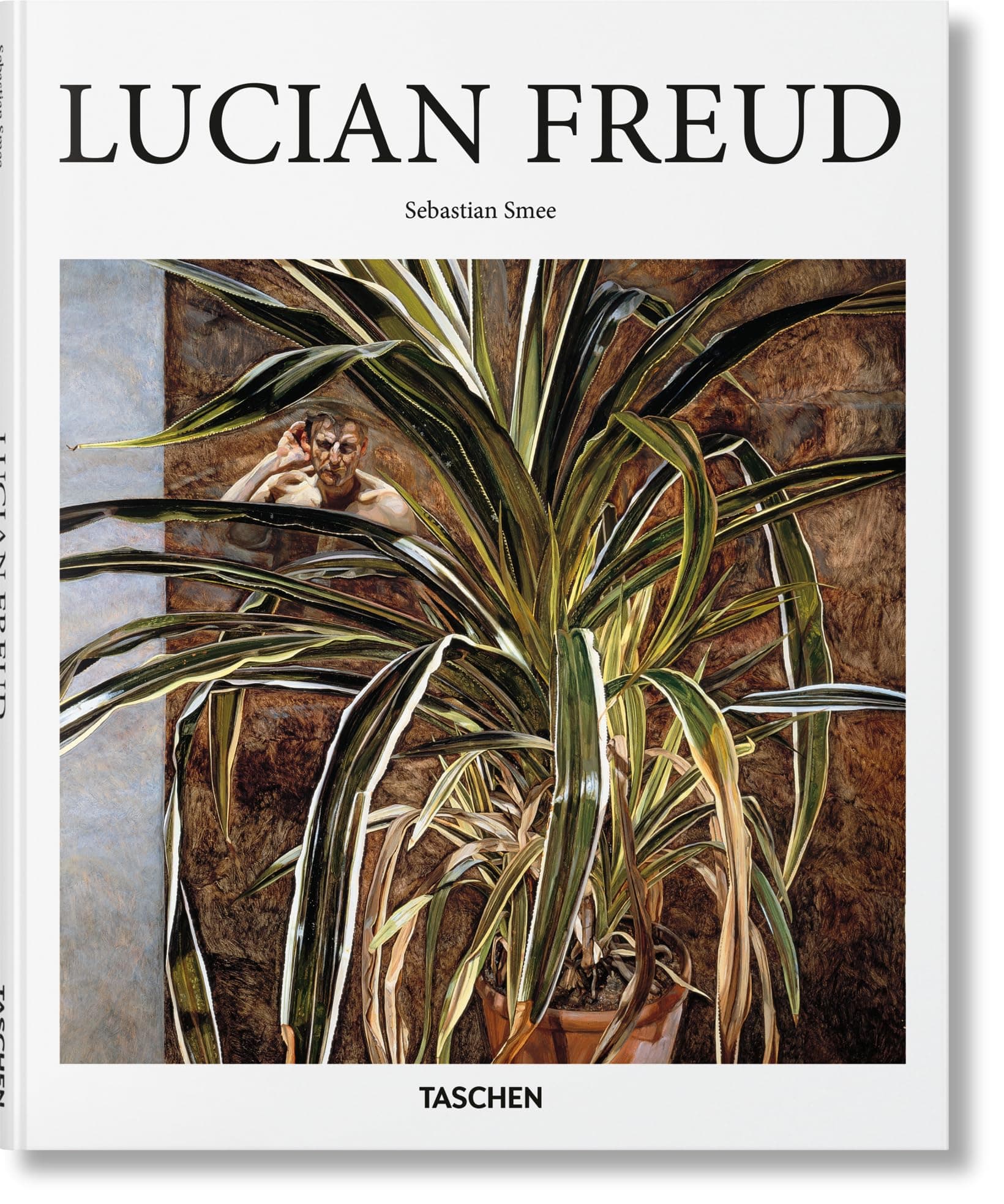 Further reading: Lucian Freud — Sebastian Smee
Cremnitz flesh
Thick lead-white flesh — chalky, sculptural, pitiless.
Material: Cremnitz white, yellow ochre, cadmium red
RGB(217, 184, 152)
Subcutaneous blue
Blue veins visible through thin skin.
Material: Cobalt blue, lead white trace
RGB(107, 122, 138)
Studio mattress
The stained mattress and bedsheets of his studio.
Material: Lead white, raw umber, yellow ochre
RGB(201, 192, 176)
Flesh accent
Warm red of nipples, lips, inner flesh.
Material: Cadmium red, burnt sienna, lead white
RGB(184, 90, 74)
Studio floor
Paint-splattered floorboards of the studio.
Material: Raw umber, burnt umber, yellow ochre
RGB(91, 74, 48)
Flesh shadow (Freud)
Green in flesh shadows — the complementary undertone.
Material: Terre verte, viridian under flesh tones
RGB(91, 106, 74)
Pigments: Cadmium red · Ochre · Lead white · Cobalt blue · Umber · Sienna · Green earth · Viridian
Francis Bacon
1909–1992Irish-British
Painter of the scream — caged figures dissolving in anguish. The most violent painter of the 20th century.
Paint thrown, smeared, wiped with rags and hands. Figures trapped in cage-like structures against flat color fields.
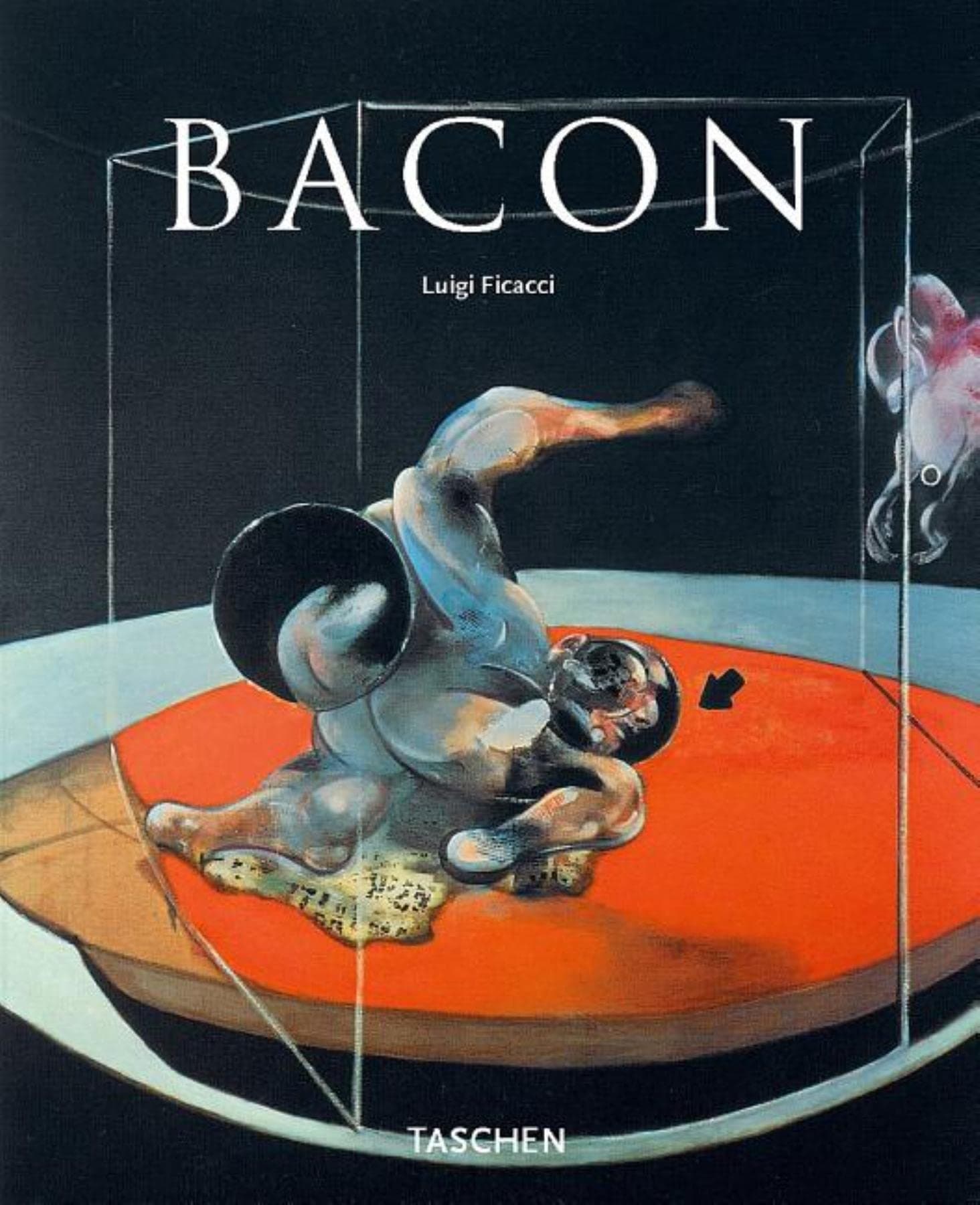 Further reading: Bacon (Taschen Basic Art) — Luigi Ficacci
Cage orange
Hot orange background — figures trapped against blazing color.
Material: Cadmium orange, cadmium red on raw canvas
RGB(217, 112, 48)
Carcass red
Dark red of raw meat — the body as carcass.
Material: Alizarin crimson, cadmium red, burnt sienna
RGB(141, 26, 26)
Smeared flesh
Flesh wiped and distorted — identity dissolving.
Material: Lead white, cadmium orange, rag-wiped
RGB(200, 144, 112)
Void black
Flat black background — the void behind the scream.
Material: Mars black, lamp black on raw canvas
RGB(11, 10, 10)
Triptych blue
Deep blue of later triptych backgrounds.
Material: Ultramarine, Prussian blue
RGB(27, 58, 122)
Arena sand
Sandy ground of arena/cage floor.
Material: Yellow ochre, raw sienna, sand mixed into paint
RGB(200, 176, 136)
Pigments: Cadmium red · Cadmium yellow · Alizarin crimson · Sienna · Lead white · Lamp black · Ultramarine · Prussian blue · Ochre
Related Materials
If this palette inspired you, here’s what to paint with.
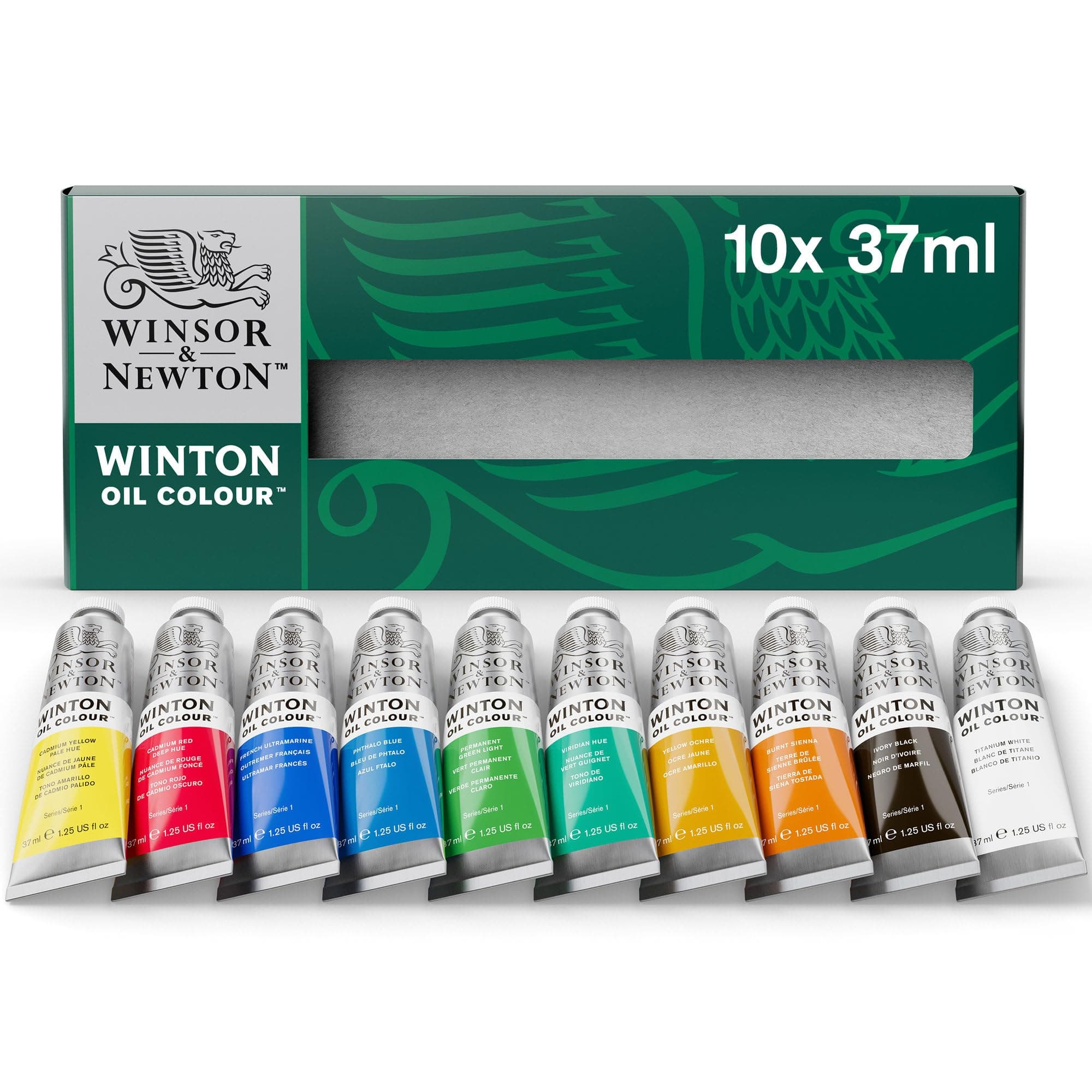 Winsor & Newton Winton Oil Colour Starter Set, 10 TubesView on Amazon
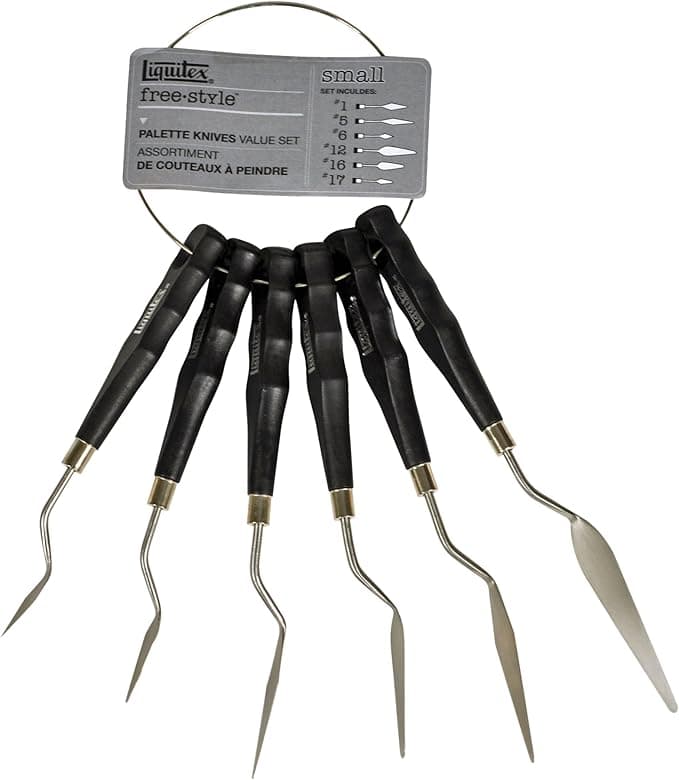 Liquitex Professional Freestyle Palette Knives, 6-Piece SetView on Amazon
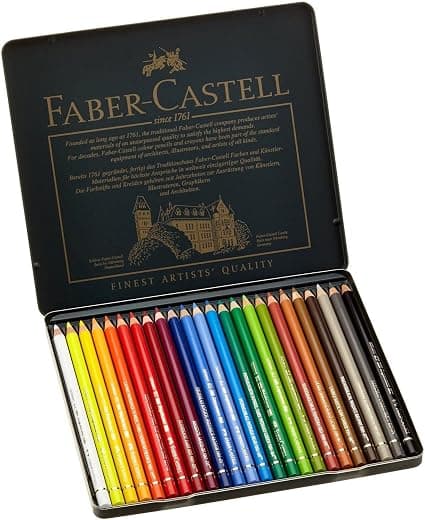 Faber-Castell Polychromos Artists’ Colour Pencils, Tin of 24View on Amazon
As an Amazon Associate, Pigmentoria earns from qualifying purchases. This page may contain affiliate links.