Romanticism
1780–1850The sublime, terrible, emotionally overwhelming. Sensation over reason, nature over civilization.
New industrial pigments — chrome yellow, cobalt blue, viridian. Larger canvases, bolder brushwork.
Francisco Goya
1746–1828Spanish
From court portraitist to painter of nightmares. The Black Paintings — darkest vision in Western art.
Late Black Paintings on plaster with palette knife and fingers. Minimal palette: black, ochre, red, white.
 Further reading: Goya (Taschen Basic Art) — Rose-Marie Hagen, Rainer Hagen
Saturn's black
Absolute darkness of Saturn Devouring. Applied with knife.
Material: Bone black, bitumen on plaster
RGB(11, 8, 8)
Nightmare ochre
Sickly golden tone pervading the Black Paintings.
Material: Yellow ochre, raw sienna
RGB(139, 106, 42)
Execution white
White shirt of the executed — brightest point in the painting.
Material: Lead white, thick impasto
RGB(225, 216, 200)
Blood rust
Dried blood — brown-red of coagulation.
Material: Red ochre, burnt sienna, burnt umber
RGB(106, 42, 26)
Madness flesh
Unhealthy sallow flesh — skin of insanity.
Material: Yellow ochre, lead white, raw umber
RGB(184, 154, 120)
Gunpowder grey
Grey of smoke, uniform, steel in war paintings.
Material: Lamp black, lead white, raw umber
RGB(74, 74, 72)
Pigments: Bitumen · Bone black · Ochre · Sienna · Lead white · Umber · Lamp black
J.M.W. Turner
1775–1851British
Dissolved form into atmosphere, anticipating abstraction by 50 years.
Exploited new industrial pigments. Late works are almost pure light with minimal form.
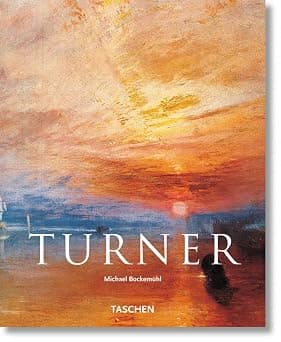 Further reading: Turner (Taschen Basic Art) — Michael Bockemühl
Chrome sun
Revolutionary use of chrome yellow — hottest yellow available.
Material: Chrome yellow (lead chromate)
RGB(232, 200, 64)
Storm at sea
Deep blue-grey of maritime storms.
Material: Prussian blue, lamp black, lead white
RGB(43, 58, 90)
Light dissolution
White into which Turner dissolved all form.
Material: Lead white, zinc white
RGB(234, 224, 208)
Parliament fire
Blazing orange-red of the Burning of Parliament.
Material: Vermilion, red lead, chrome orange
RGB(201, 74, 26)
Sea foam
Cool grey-green of churning water.
Material: Lead white, terre verte, lamp black
RGB(154, 170, 168)
Amber haze
Warm atmospheric haze in Venetian scenes.
Material: Chrome yellow, yellow ochre, lead white
RGB(184, 152, 72)
Pigments: Chrome yellow · Prussian blue · Lead white · Lamp black · Zinc white · Vermilion · Red lead · Green earth · Ochre
Eugène Delacroix
1798–1863French
Leader of French Romanticism. Discovered complementary color shadows decades before Impressionists.
Optical color mixing — complementary colors side by side. Journals document systematic experiments.
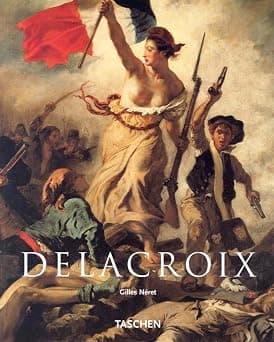 Further reading: Delacroix (Taschen Basic Art) — Gilles Néret
Liberty's banner
Tricolore red — vivid, revolutionary.
Material: Vermilion, red lead
RGB(184, 48, 32)
Moroccan blue
Intense blue discovered in Morocco.
Material: Cobalt blue, ultramarine
RGB(43, 90, 138)
Complementary shadow
Green in red shadows — great discovery.
Material: Viridian, terre verte
RGB(75, 90, 58)
Odalisque amber
Warm golden flesh influenced by North African light.
Material: Yellow ochre, lead white, vermilion
RGB(200, 154, 90)
Sardanapalus violet
Dark violet of decadence and death.
Material: Ultramarine, crimson lake
RGB(90, 42, 74)
Salon sky gold
Warm golden sky — more structured than Turner's.
Material: Naples yellow, chrome yellow, lead white
RGB(200, 176, 96)
Pigments: Vermilion · Red lead · Ultramarine · Cobalt blue · Green earth · Viridian · Ochre · Lead white · Madder and the red lakes · Naples yellow · Chrome yellow
Caspar David Friedrich
1774–1840German
Painter of sublime loneliness. Rückenfigur — figures facing infinite landscapes.
Restricted palette — cold blues, pale golds, dark silhouettes. Protestant meditation.
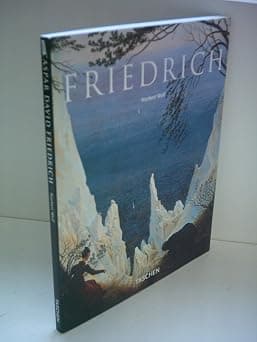 Further reading: Caspar David Friedrich (Taschen Basic Art) — Norbert Wolf
Sea of fog
Grey-white mountain fog — indefinite, enveloping.
Material: Lead white, lamp black, raw umber
RGB(168, 168, 160)
Gothic ruin
Black silhouettes of ruined abbeys against pale skies.
Material: Lamp black, bone black
RGB(27, 26, 24)
Northern dawn
Pale orange of Baltic sunrise — cool, not Mediterranean.
Material: Chrome orange, Naples yellow, lead white
RGB(200, 138, 74)
Prussian evening sky
Deep blue of northern European dusk.
Material: Prussian blue, lead white
RGB(44, 58, 90)
Arctic ice
Pale green of ice — cold, geological.
Material: Terre verte, lead white, lamp black
RGB(138, 170, 160)
Pomeranian earth
Brown earth beneath infinite sky.
Material: Raw umber, burnt sienna, yellow ochre
RGB(90, 74, 48)
Pigments: Umber · Lead white · Lamp black · Bone black · Naples yellow · Chrome yellow · Prussian blue · Green earth · Ochre · Sienna
John Everett Millais
1829–1896British
Co-founder Pre-Raphaelite Brotherhood. Ophelia — most famous PRB painting, painted outdoors over months.
Wet white ground — paint into fresh white surface. Characteristic PRB luminosity.
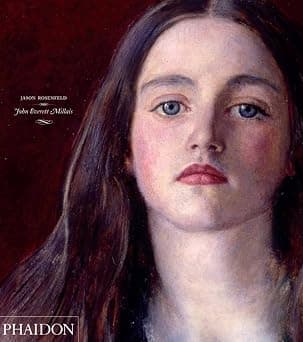 Further reading: John Everett Millais — Jason Rosenfeld
Ophelia's stream
Intense green painted from direct observation.
Material: Emerald green, viridian on wet white ground
RGB(59, 122, 74)
Pre-Raphaelite red
Vermilion on white ground — maximum saturation.
Material: Vermilion on wet lead white
RGB(168, 48, 40)
Luminous flesh
Flesh on white ground — more luminous than academic.
Material: Vermilion, lead white, yellow ochre on wet white
RGB(225, 192, 160)
Wildflower purple
Purple wildflowers — each from a real specimen.
Material: Cobalt violet, ultramarine, crimson lake
RGB(122, 74, 138)
Stream water brown
Real English stream — observed, not idealized.
Material: Raw umber, terre verte, yellow ochre
RGB(90, 90, 58)
Ophelia's dress
Waterlogged white dress — grey-warm with water.
Material: Lead white, raw umber, lamp black
RGB(200, 192, 176)
Pigments: Emerald green · Viridian · Vermilion · Lead white · Ochre · Ultramarine · Madder and the red lakes · Cobalt violet · Green earth · Umber · Lamp black
Théodore Géricault
1791–1824French
Bridge between Neoclassicism and Romanticism. The Raft of the Medusa — monumental suffering, painted from corpses.
Studied cadavers for flesh tones. Bitumen-heavy palette that has darkened dramatically over time.
 Further reading: Theodore Gericault — Nina Athanassoglou-Kallmyer
Medusa sea
Dark, threatening sea of the Medusa.
Material: Prussian blue, lamp black, raw umber
RGB(42, 58, 74)
Corpse flesh
Greenish-yellow flesh studied from actual cadavers.
Material: Yellow ochre, terre verte, lead white
RGB(138, 122, 96)
Distress sail
The tattered sail — focal point of desperate hope.
Material: Yellow ochre, raw sienna, lead white
RGB(168, 138, 90)
Bitumen dark
Bitumen-laden dark — now even darker due to aging.
Material: Bitumen, burnt umber (darkened over time)
RGB(27, 20, 8)
Storm sky grey
Leaden sky over the raft.
Material: Lamp black, lead white, raw umber
RGB(90, 90, 88)
Dying skin
Drained, dehydrated flesh at the edge of death.
Material: Yellow ochre, raw umber, lead white
RGB(184, 152, 112)
Pigments: Prussian blue · Umber · Lamp black · Green earth · Ochre · Lead white · Sienna · Bitumen
Related Materials
If this palette inspired you, here’s what to paint with.
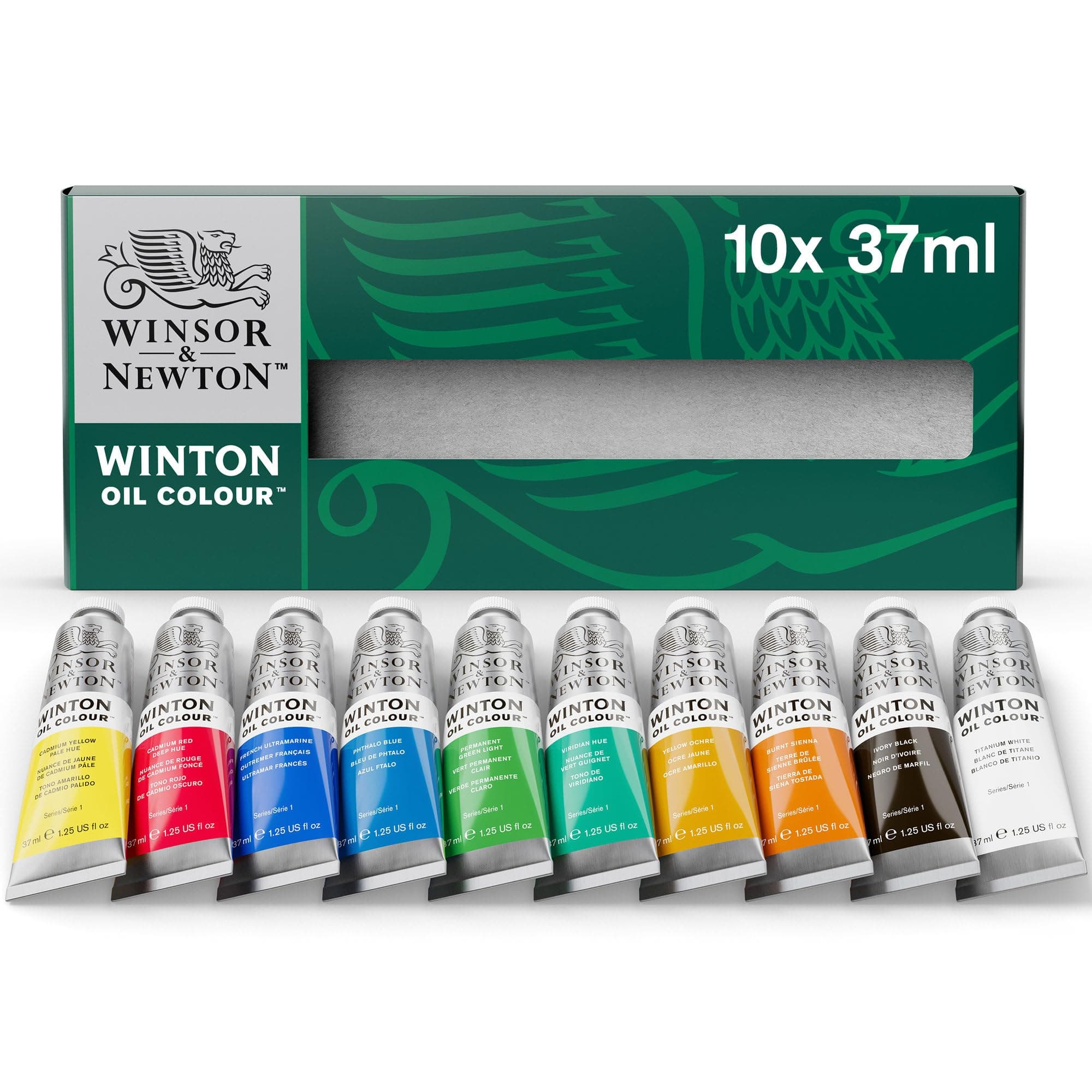 Winsor & Newton Winton Oil Colour Starter Set, 10 TubesView on Amazon
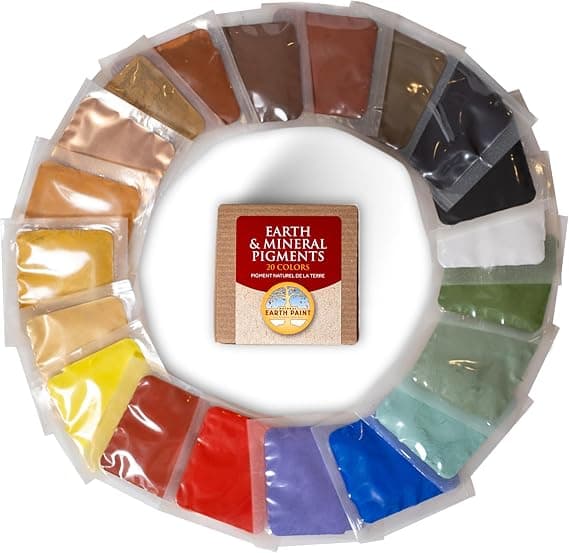 Natural Earth Paint Pigment Sample Pack, 20 Mineral PigmentsView on Amazon
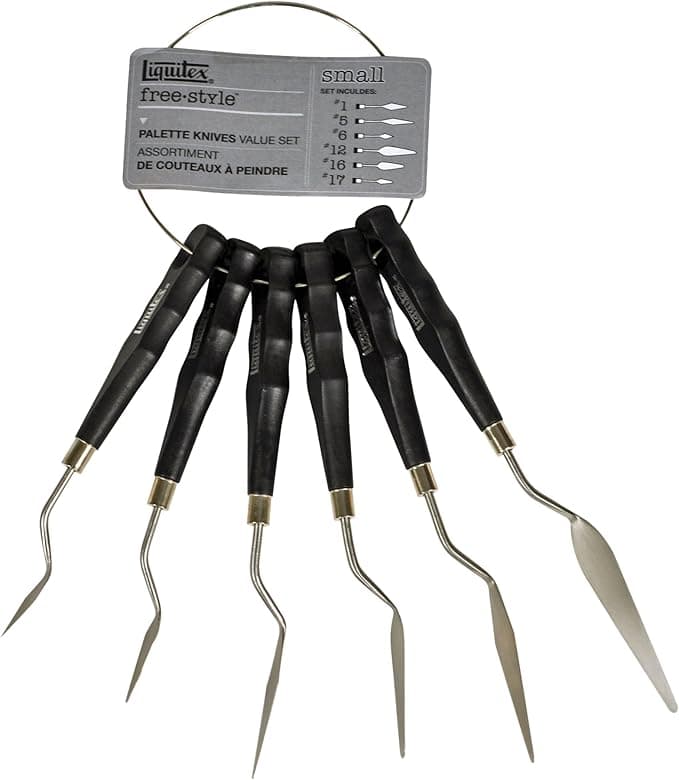 Liquitex Professional Freestyle Palette Knives, 6-Piece SetView on Amazon
As an Amazon Associate, Pigmentoria earns from qualifying purchases. This page may contain affiliate links.