Venetian Renaissance
1510–1576Venice prioritized color (colorito) over drawing (disegno). Oil on canvas became dominant, enabling richer glazes.
Oil on canvas. Venice's trade routes brought exotic pigments. Humid climate favored oil over fresco.
Titian
1488–1576Italian (Venetian)
Supreme colorist of the Renaissance. 70-year career evolving from jewel-bright to dissolved brushwork.
Pioneered colored grounds and built forms through successive glazes of contrasting temperature. Late broken brushwork anticipated Impressionism.
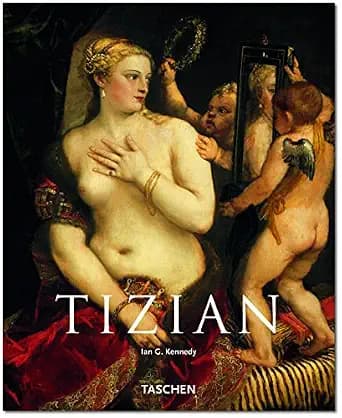 Further reading: Titian (Taschen Basic Art) — Ian G. Kennedy
Assumption red
Blazing vermilion of the Assumption — Titian's signature, warmer than Raphael's.
Material: Vermilion (cinnabar) with red lake glazes
RGB(184, 46, 46)
Venetian gold
Warm golden tonality suffusing mature work.
Material: Lead-tin yellow, orpiment, yellow ochre
RGB(200, 168, 74)
Bacchanal flesh
Warmer and more golden flesh than any Florentine — warm ground shows through.
Material: Lead white, vermilion over warm ground
RGB(217, 172, 122)
Lapis heaven
Deep ultramarine used lavishly. Venice's trade routes made lapis affordable.
Material: Pure ultramarine from lapis lazuli
RGB(42, 74, 122)
Late dissolution
Late works — shadows become abstract warm browns dissolving form.
Material: Burnt umber, bitumen in oil
RGB(74, 58, 42)
Poesie green
Muted landscape green of mythological poesie.
Material: Verdigris over yellow ochre base
RGB(74, 107, 74)
Pigments: Vermilion · Orpiment · Lead-tin yellow · Ochre · Lead white · Ultramarine · Umber · Bitumen · Verdigris
Tintoretto
1518–1594Italian (Venetian)
Il Furioso — explosive energy. Combined Titian's color with Michelangelo's drawing.
Extraordinary speed on dark-toned grounds. Pulled highlights from shadow with thick impasto.
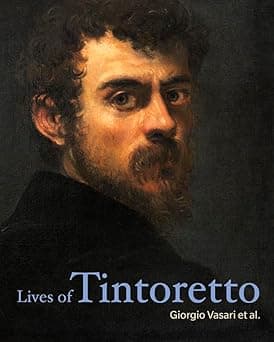 Further reading: Lives of Tintoretto — Giorgio Vasari, Carlo Ridolfi, et al. (Getty Publications)
Venetian dark ground
Signature dark brown-red ground visible in shadows of every painting.
Material: Red-brown bole and burnt umber priming
RGB(46, 34, 24)
Lightning white
Impasto highlights struck onto dark ground — maximum value jump.
Material: Lead white, thick hog bristle application
RGB(232, 224, 208)
Paradiso blue
Celestial blue of the Palazzo Ducale Paradiso.
Material: Ultramarine and lead white
RGB(58, 90, 138)
Furioso red
Deeper, more ominous red than Titian's — vermilion darkened with lake.
Material: Vermilion and crimson lake over dark ground
RGB(138, 42, 42)
Spectral green
Ghostly verdigris emerging from dark ground in supernatural scenes.
Material: Verdigris thinly glazed over dark ground
RGB(74, 106, 74)
Flesh gleam
More dramatic than Titian's — warm highlights on dark shadow, minimal midtone.
Material: Lead white, yellow ochre, vermilion over dark ground
RGB(200, 160, 112)
Pigments: Umber · Lead white · Ultramarine · Vermilion · Madder and the red lakes · Verdigris · Ochre
Giorgione
1477–1510Italian (Venetian)
Enigmatic founder of Venetian High Renaissance. Tiny oeuvre (~6 works), invented tonal painting.
Among first to paint directly in oil without detailed underdrawing. Built form through tone and color alone.
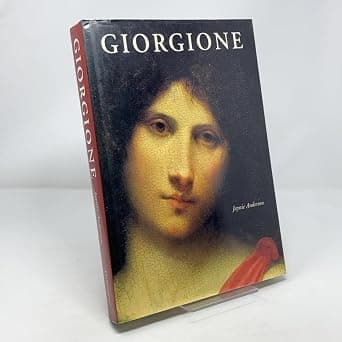 Further reading: Giorgione — Jaynie Anderson
Tempest sky
Distinctive grey-green of The Tempest's sky — neither blue nor green.
Material: Lead white, azurite, terre verte, yellow ochre
RGB(90, 122, 106)
Pastoral gold
Warm golden tonality of the Fête Champêtre.
Material: Yellow ochre, lead-tin yellow in oil glazes
RGB(184, 160, 96)
Sleeping Venus flesh
Luminous idealized flesh of the Sleeping Venus.
Material: Lead white, vermilion, yellow ochre over light ground
RGB(218, 186, 144)
Castelfranco red
Deep red-brown of the Castelfranco altarpiece — restrained, less fiery than Titian.
Material: Red ochre, vermilion, burnt sienna
RGB(138, 58, 42)
Nocturne blue
Dark blue pervading The Tempest's shadowed landscape.
Material: Azurite with lamp black
RGB(42, 58, 90)
Arcadia green
Lush idealized landscape green — warmer than northern greens.
Material: Verdigris, yellow ochre, terre verte in oil
RGB(74, 106, 58)
Pigments: Azurite · Green earth · Ochre · Lead white · Lead-tin yellow · Vermilion · Sienna · Lamp black · Verdigris
Related Materials
If this palette inspired you, here’s what to paint with.
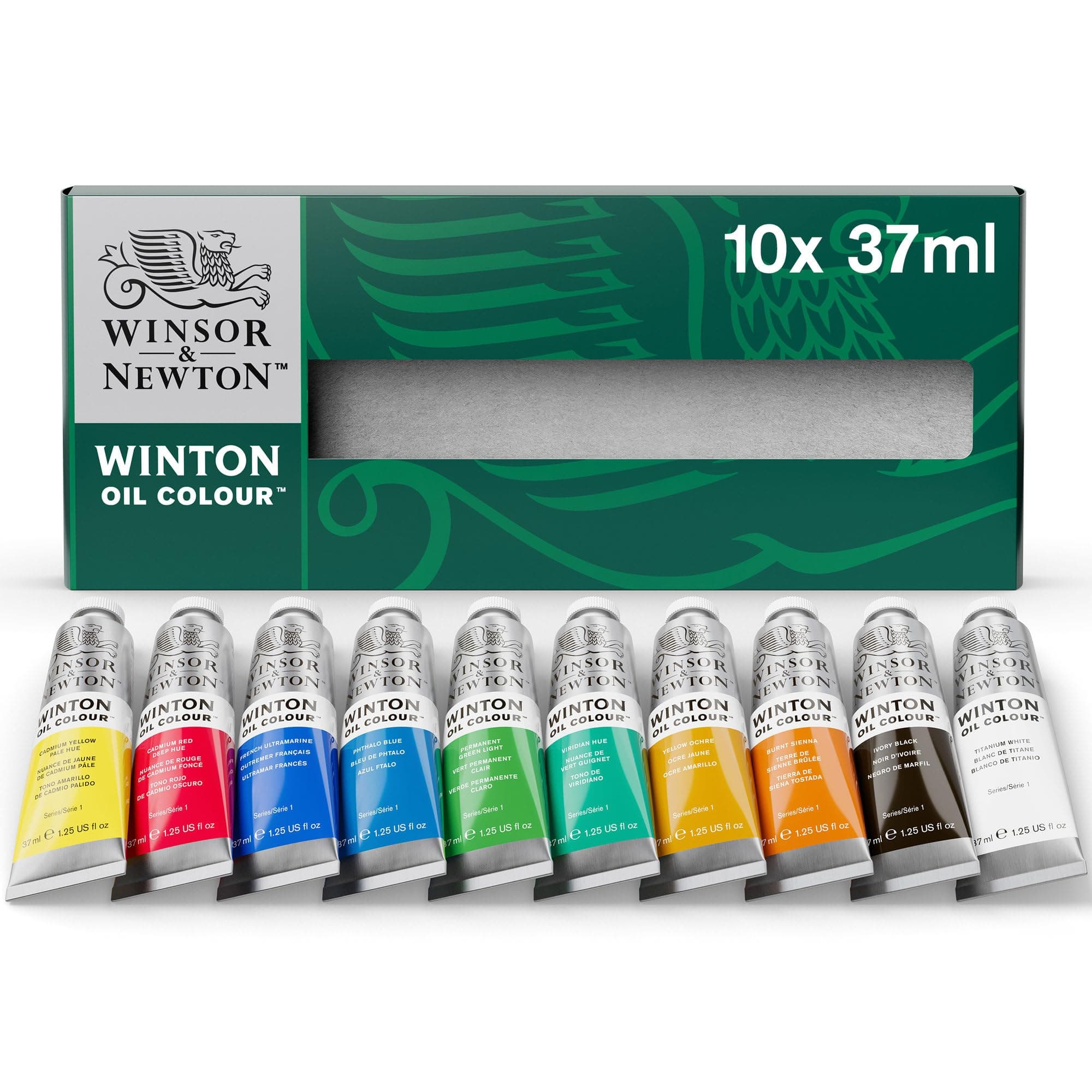 Winsor & Newton Winton Oil Colour Starter Set, 10 TubesView on Amazon
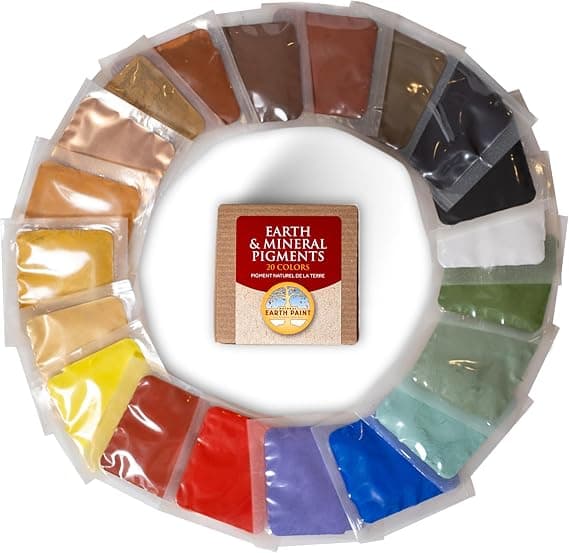 Natural Earth Paint Pigment Sample Pack, 20 Mineral PigmentsView on Amazon
 Moleskine Art Plus Watercolor Album, LargeView on Amazon
As an Amazon Associate, Pigmentoria earns from qualifying purchases. This page may contain affiliate links.