Albumen Print
1850–1900Egg white as binder — the dominant photographic print of the 19th century. Billions of eggs cracked for photography.
Paper coated with salted egg white, sensitized with silver nitrate. Printed out in sunlight. Warm purplish-brown tones.
International
Invented by Blanquart-Evrard. By 1860 it was the universal print medium. Every Victorian portrait album used albumen.
Egg whites create a smooth, glossy surface. Prints yellow with age as albumen deteriorates. Gold toning adds warmth and permanence.
Albumen purple-brown
Characteristic purple-brown tone of albumen prints.
Material: Silver in albumen matrix, unfixed
RGB(106, 74, 74)
Gold-toned warm
Warm brown of gold-toned albumen — most common variety.
Material: Gold chloride toned silver in albumen
RGB(123, 90, 58)
Yellowed albumen
Yellow staining as egg white deteriorates over decades.
Material: Degraded albumen protein, oxidized
RGB(216, 200, 160)
Glossy highlight
Smooth, slightly glossy highlights — the albumen surface shines.
Material: Minimal silver on smooth albumen surface
RGB(208, 192, 176)
Carte-de-visite mount
The cardboard mount of carte-de-visite format.
Material: Bristol board mount, cream-colored
RGB(200, 192, 184)
Dense shadow
Maximum density in shadow areas — slight purple cast.
Material: Dense silver in albumen, toned
RGB(42, 34, 40)
Pigments: Silver
Related Materials
If this palette inspired you, here’s what to paint with.
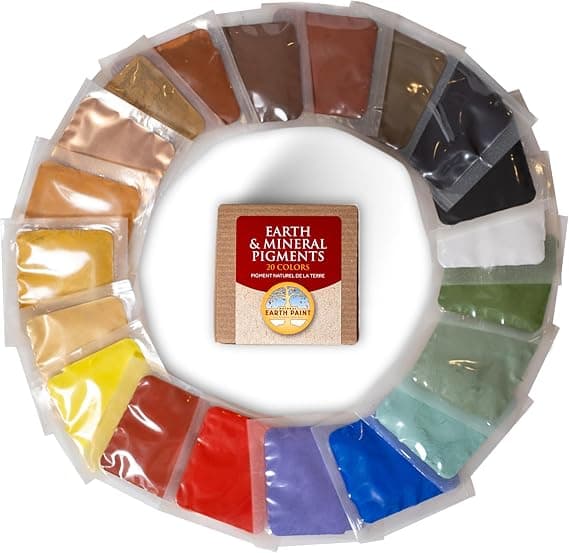 Natural Earth Paint Pigment Sample Pack, 20 Mineral PigmentsView on Amazon
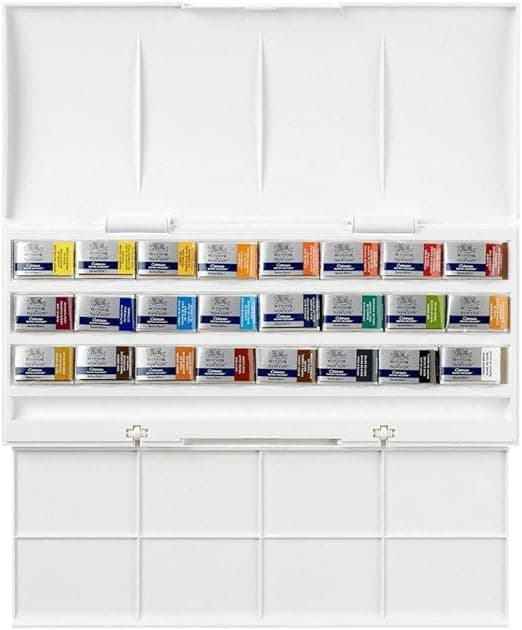 Winsor & Newton Cotman Watercolour Studio Set, 24 Whole PansView on Amazon
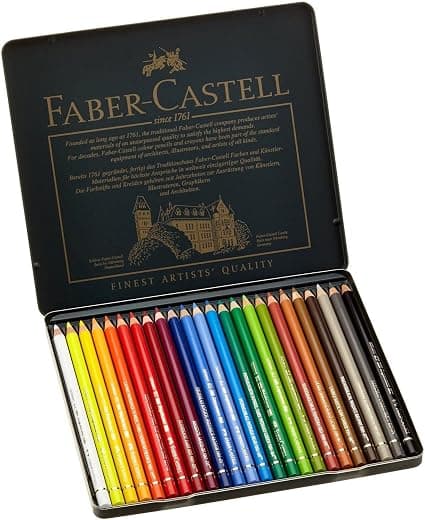 Faber-Castell Polychromos Artists’ Colour Pencils, Tin of 24View on Amazon
As an Amazon Associate, Pigmentoria earns from qualifying purchases. This page may contain affiliate links.