Calotype / Salt Print
1841–1860Paper negatives yielding soft, warm prints. Talbot's invention — the ancestor of all modern photography.
Silver chloride on paper. Paper fiber diffuses light, creating soft edges. Warm tones from silver particles in paper matrix.
British
Invented by Fox Talbot. Unlike the daguerreotype, calotypes produce negatives — enabling multiple prints.
The paper fibers of the negative diffuse light, giving calotypes a soft, painterly quality that daguerreotypes lack.
Salt print brown
Characteristic warm brown tone of unfixed salt prints.
Material: Silver chloride in paper fiber, unfixed
RGB(138, 106, 74)
Paper base cream
Warm cream of rag paper base.
Material: Handmade rag paper, unsized
RGB(223, 208, 192)
Fading lilac
Purple-lilac of light-struck areas as prints fade.
Material: Partially reduced silver chloride
RGB(154, 138, 138)
Shadow warm
Deep warm shadow — never truly black on salt paper.
Material: Dense silver deposit on paper fiber
RGB(78, 58, 42)
Gold-toned highlight
Warm golden tone when gold-chloride toned.
Material: Gold chloride toning on salt print
RGB(184, 168, 128)
Pencil inscription
Grey of pencil notes written on print margins.
Material: Graphite pencil on rag paper
RGB(94, 90, 88)
Pigments: Silver
Related Materials
If this palette inspired you, here’s what to paint with.
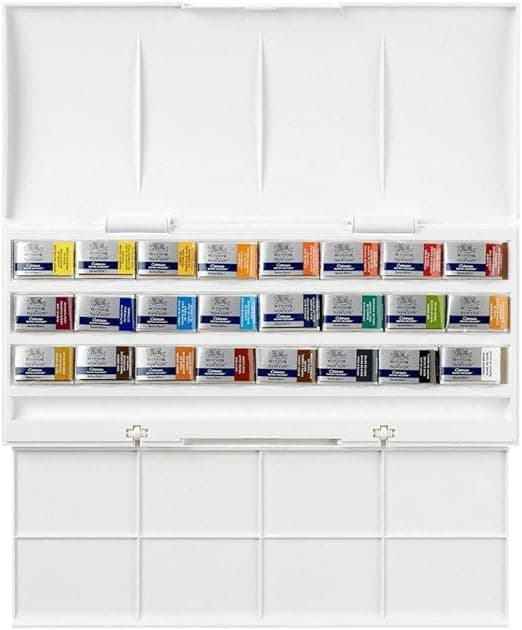 Winsor & Newton Cotman Watercolour Studio Set, 24 Whole PansView on Amazon
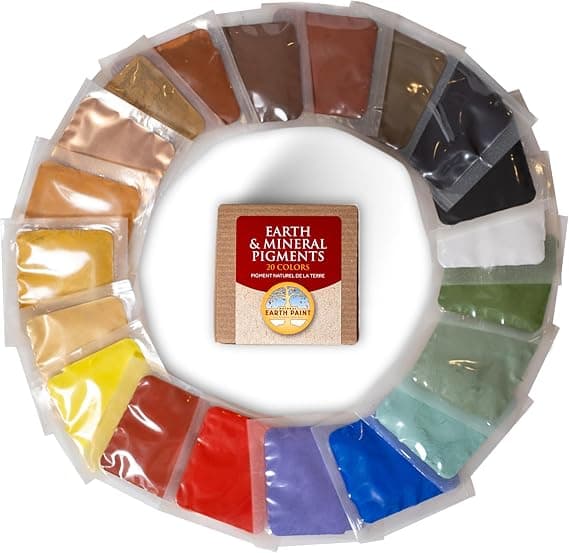 Natural Earth Paint Pigment Sample Pack, 20 Mineral PigmentsView on Amazon
 Moleskine Art Plus Watercolor Album, LargeView on Amazon
As an Amazon Associate, Pigmentoria earns from qualifying purchases. This page may contain affiliate links.