Carbon Print
1855–1940Pigmented gelatin giving permanent, velvety prints. The most archival photographic process — immune to fading.
Carbon pigment suspended in gelatin, hardened by light. The pigment IS the image — no silver to fade.
International
Developed by Poitevin and perfected by Swan. Favored by pictorialist photographers for its rich tonal range.
Chromated gelatin hardens in proportion to light exposure. Unhardened gelatin washes away, leaving pigmented relief image.
Carbon velvet black
The deepest black in all photographic processes — pure carbon pigment.
Material: Lamp black or ivory black in gelatin relief
RGB(14, 8, 8)
Carbon warm brown
Warm brown variant using sepia or burnt umber pigment.
Material: Sepia or burnt umber pigment in gelatin
RGB(74, 48, 32)
Sanguine carbon
Red-brown variant using sanguine pigment — like a chalk drawing.
Material: Red oxide pigment in gelatin
RGB(122, 58, 42)
Paper highlight
Pure paper in highlights where gelatin washed completely away.
Material: Bare transfer paper surface
RGB(231, 216, 200)
Carbon mid-tone
Rich mid-tone — the velvety quality that made carbon prints famous.
Material: Medium-thickness pigmented gelatin
RGB(106, 90, 72)
Green carbon
Green variant using terre verte or viridian pigment.
Material: Green earth pigment in gelatin
RGB(43, 58, 42)
Pigments: Lamp black · Bone black · Umber · Green earth
Related Materials
If this palette inspired you, here’s what to paint with.
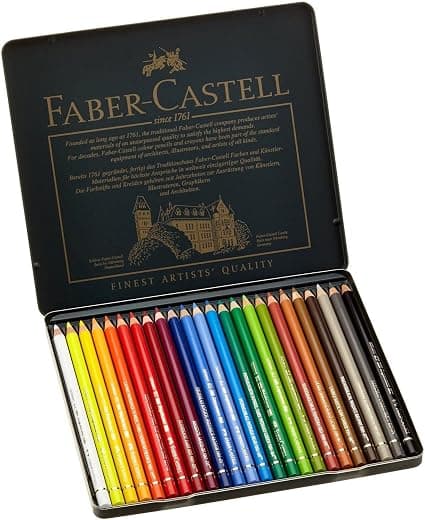 Faber-Castell Polychromos Artists’ Colour Pencils, Tin of 24View on Amazon
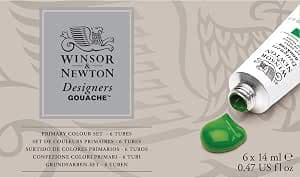 Winsor & Newton Designers Gouache, Set of 6 TubesView on Amazon
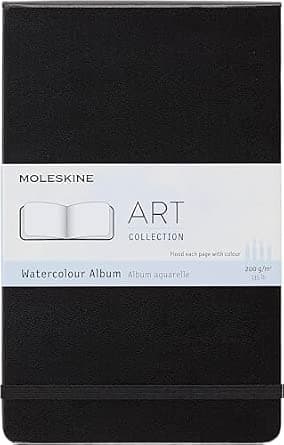 Moleskine Art Plus Watercolor Album, LargeView on Amazon
As an Amazon Associate, Pigmentoria earns from qualifying purchases. This page may contain affiliate links.