Daguerreotype
1839–1860The first practical photograph — a mirror that remembers. Silver-plated copper yielding ghostly, shimmering images.
Silver-plated copper sheet sensitized with iodine vapor. Mercury development. Each image unique — no negatives.
French
Invented by Daguerre in 1839. Each plate is a unique mirror-image on polished silver.
Exposure times of minutes required subjects to hold still. The silver surface acts as both image and mirror — viewing angle changes the image.
Mirror silver
Polished silver plate base — the image floats on a mirror.
Material: Polished silver-plated copper
RGB(176, 176, 176)
Shadow blue
Blue-grey of shadow areas due to silver's spectral reflectance.
Material: Mercury-silver amalgam in shadow areas
RGB(74, 90, 106)
Gilded highlight
Many daguerreotypes were gold-toned for warmth and durability.
Material: Gold chloride toning on mercury amalgam
RGB(200, 176, 128)
Case velvet dark
Dark velvet lining of the protective case — essential for viewing.
Material: Black velvet viewing surface
RGB(28, 24, 24)
Tarnish iridescence
Purple-blue iridescent tarnish on aged plates.
Material: Silver sulfide tarnish on unprotected plates
RGB(138, 122, 154)
Mercury flesh
The ghostly grey of flesh rendered in mercury vapor.
Material: Mercury amalgam on silver, mid-density
RGB(168, 160, 152)
Pigments: Silver
Related Materials
If this palette inspired you, here’s what to paint with.
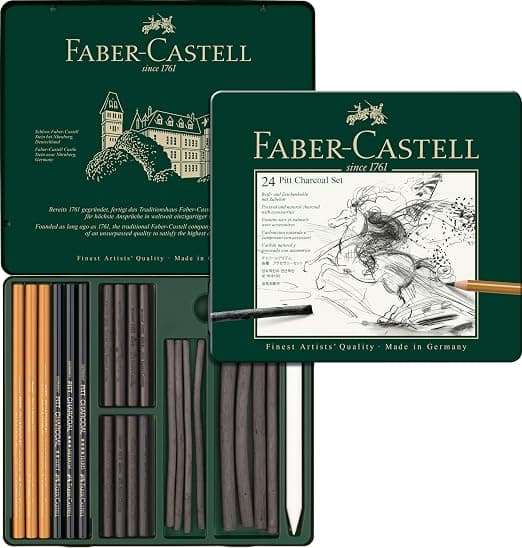 Faber-Castell Pitt Charcoal Set, 24 PieceView on Amazon
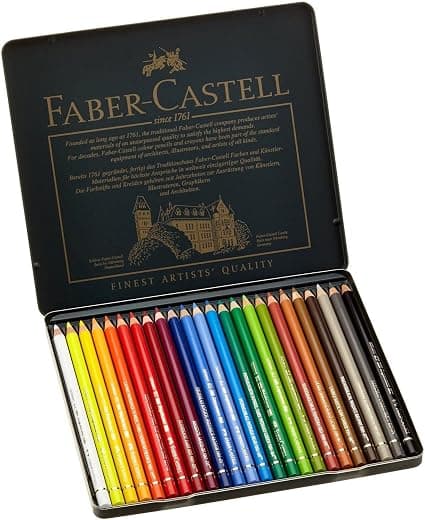 Faber-Castell Polychromos Artists’ Colour Pencils, Tin of 24View on Amazon
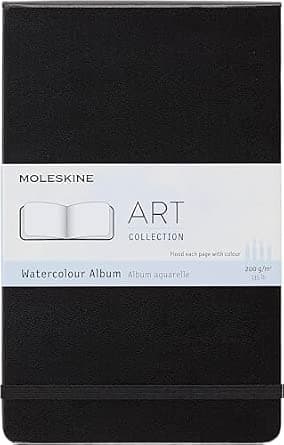 Moleskine Art Plus Watercolor Album, LargeView on Amazon
As an Amazon Associate, Pigmentoria earns from qualifying purchases. This page may contain affiliate links.