Wet Collodion / Ambrotype
1851–1880Glass plate negatives coated with collodion — sharp, detailed, but must be exposed while still wet.
Collodion (gun cotton dissolved in ether) poured on glass, sensitized with silver nitrate. Portable darkroom required.
British
Invented by Archer. Combined daguerreotype sharpness with calotype reproducibility. Dominated Civil War photography.
Must be exposed and developed within 15 minutes while collodion stays wet. Ambrotypes are underexposed negatives on black backing.
Glass plate tone
Cool neutral tone of properly exposed collodion on glass.
Material: Silver in collodion on glass plate
RGB(169, 168, 160)
Varnish amber
Warm amber cast from protective varnish layer.
Material: Sandarac or amber varnish coating
RGB(170, 138, 90)
Iron toned shadow
Cool grey-black of iron-toned prints.
Material: Iron(III) chloride toning on silver
RGB(58, 58, 56)
Ambrotype cream
When backed with dark material, thin areas appear as warm cream.
Material: Thin silver layer viewed against dark backing
RGB(203, 192, 176)
Collodion pour edge
The uneven brown edge where collodion pooled during pouring.
Material: Thick collodion at plate edge, oxidized
RGB(90, 74, 58)
Battlefield grey
The neutral grey of Civil War documentation photographs.
Material: Silver on collodion, properly processed
RGB(124, 122, 120)
Pigments: Silver
Related Materials
If this palette inspired you, here’s what to paint with.
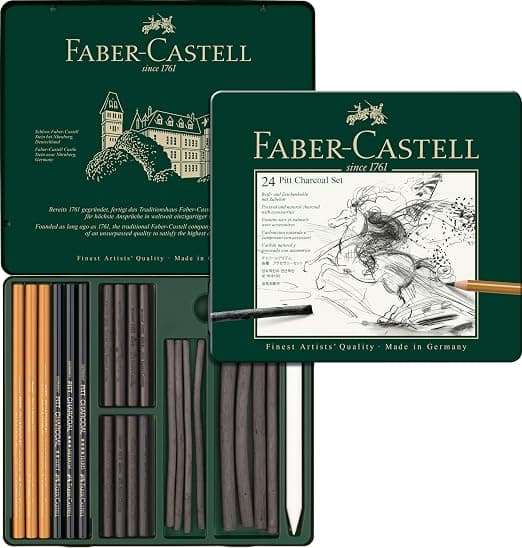 Faber-Castell Pitt Charcoal Set, 24 PieceView on Amazon
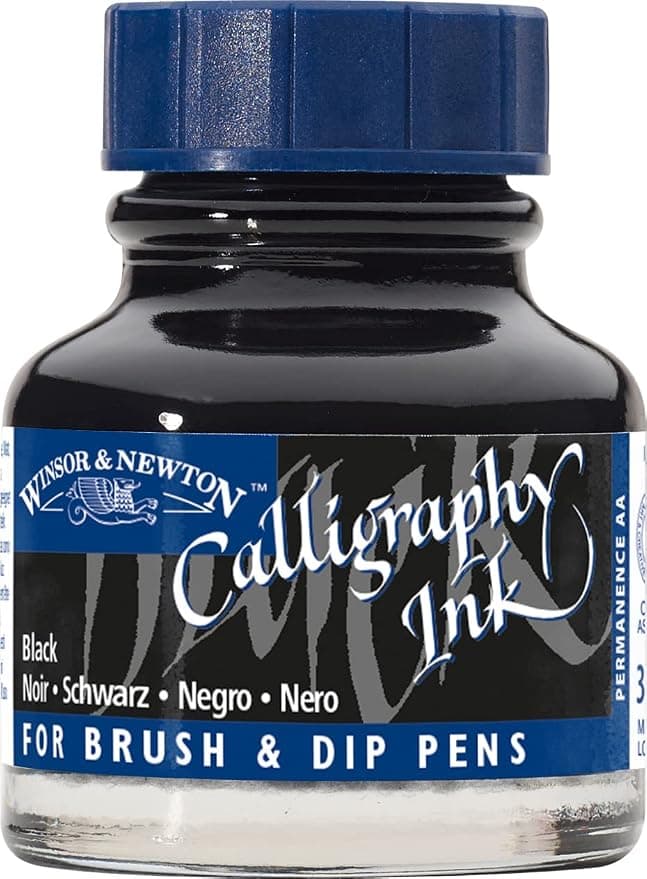 Winsor & Newton Calligraphy Ink, Black, 30mlView on Amazon
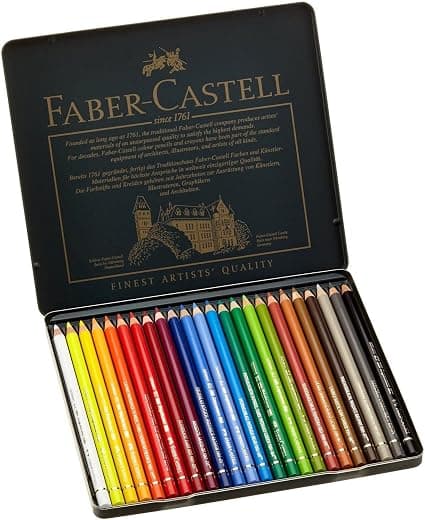 Faber-Castell Polychromos Artists’ Colour Pencils, Tin of 24View on Amazon
As an Amazon Associate, Pigmentoria earns from qualifying purchases. This page may contain affiliate links.