Picasso's Chromatic Periods
1901–1973Blue Period, Rose Period, Cubism, Neoclassicism, Surrealism — each a revolution in color. The most influential artist of the 20th century.
Oil on canvas across every conceivable technique. Each period has a distinct chromatic signature that defined an entire movement.
Pablo Picasso
1881–1973Spanish
Most influential artist of the 20th century. Blue Period, Rose Period, Cubism, Neoclassicism, Surrealism — each a revolution.
Blue Period: near-monochrome blue. Rose Period: warm pinks and ochres. Cubism: earth tones. Each period has a distinct chromatic signature.
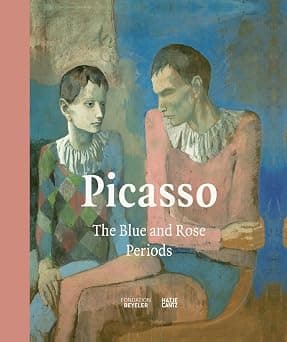 Further reading: Picasso: The Blue and Rose Periods — Marilyn McCully, Raphaël Bouvier, Laurent Le Bon, et al.
Blue Period blue
The cold blue of poverty and despair — 1901-1904.
Material: Prussian blue, ultramarine, lead white
RGB(26, 58, 106)
Rose Period pink
Warm pink of circus performers — 1904-1906.
Material: Vermilion, lead white, yellow ochre
RGB(216, 160, 144)
Cubist ochre
Earth-toned fragments of Analytical Cubism.
Material: Yellow ochre, raw umber, raw sienna
RGB(169, 138, 90)
Guernica grey
Newsprint grey of Guernica — color drained by war.
Material: Lamp black, lead white
RGB(90, 90, 90)
Minotaur red
Blood red of the Minotaur series.
Material: Cadmium red, vermilion
RGB(168, 42, 26)
Mediterranean white
Bright Mediterranean light of late studio paintings.
Material: Titanium white, zinc white
RGB(235, 224, 208)
Pigments: Ultramarine · Prussian blue · Lead white · Vermilion · Ochre · Umber · Sienna · Lamp black · Cadmium red · Zinc white · Titanium white
Related Materials
If this palette inspired you, here’s what to paint with.
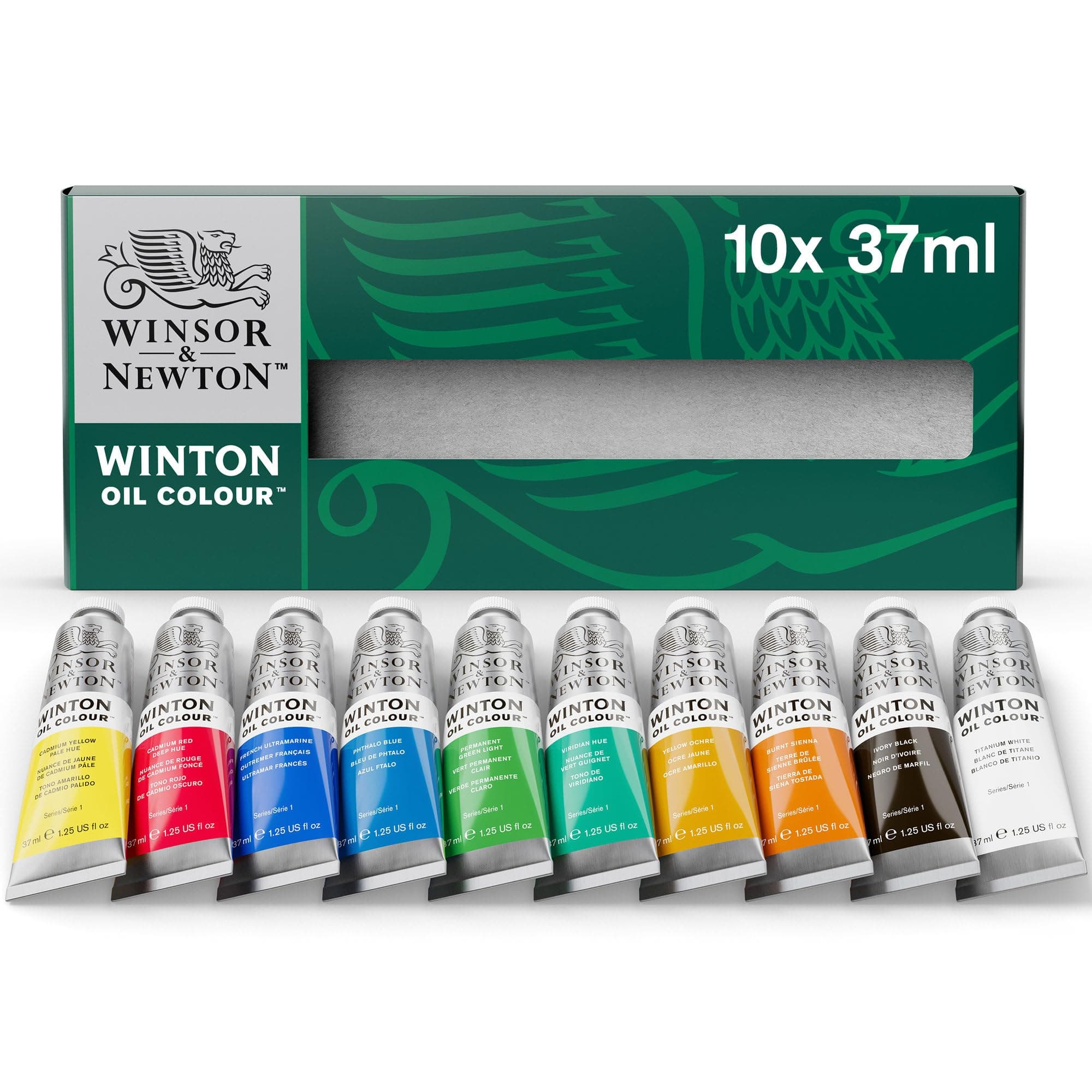 Winsor & Newton Winton Oil Colour Starter Set, 10 TubesView on Amazon
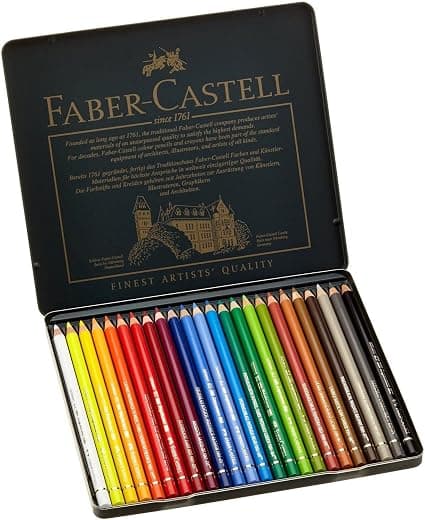 Faber-Castell Polychromos Artists’ Colour Pencils, Tin of 24View on Amazon
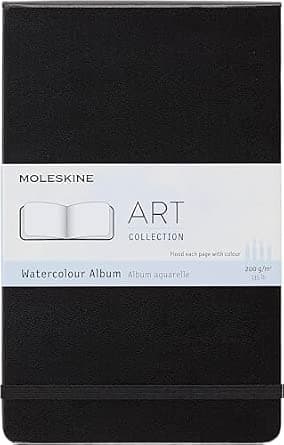 Moleskine Art Plus Watercolor Album, LargeView on Amazon
As an Amazon Associate, Pigmentoria earns from qualifying purchases. This page may contain affiliate links.