Dutch Interior Light
1650–1680Domestic counterpart to Rembrandt's drama — light through windows, on tiles, on bread and polished surfaces.
Oil on canvas/panel. Scientifically observed light — behavior through glass and on varied surfaces.
Johannes Vermeer
1632–1675Dutch
Painter of light itself. Unprecedented precision in capturing how illumination falls, diffuses, reflects.
Camera obscura for optical observation. Pointillé technique. Expensive pigments: ultramarine, lead-tin yellow.
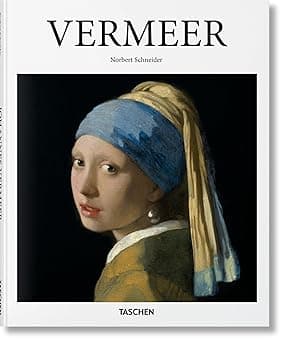 Further reading: Vermeer (Basic Art) — Norbert Schneider
Delft ultramarine
Pure natural ultramarine used lavishly.
Material: Natural ultramarine from lapis lazuli
RGB(42, 74, 138)
Pearl highlight
Pointillé dots of lead white capturing light on pearls.
Material: Lead white impasto dots
RGB(233, 224, 208)
Vermeer's yellow
Lead-tin yellow on the famous yellow jacket in several Vermeer paintings, including The Milkmaid.
Material: Lead-tin yellow Type I
RGB(201, 176, 64)
Window diffusion
Grey-warm tone of diffused north-facing window light.
Material: Lead white, yellow ochre, bone black
RGB(184, 176, 160)
Delft tile
Dark marble floor creating geometric rhythm.
Material: Bone black, lead white
RGB(58, 58, 58)
Milk stream
Warm cream of pouring milk catching window light.
Material: Lead white, yellow ochre, trace vermilion
RGB(224, 216, 192)
Pigments: Ultramarine · Lead white · Lead-tin yellow · Ochre · Bone black · Vermilion
Pieter de Hooch
1629–1684Dutch
Master of light through doorways into successive rooms. Warmer palette than Vermeer.
Recession of light through space — warm foreground, cool middle, bright doorway background.
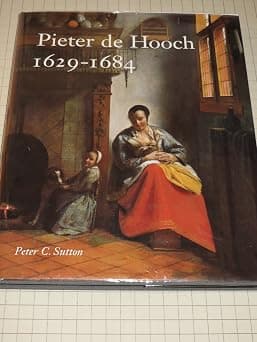 Further reading: Pieter de Hooch 1629-1684 — Peter Sutton (Yale University Press)
Courtyard brick
Warm Dutch brick — dominant courtyard tone.
Material: Red ochre, burnt sienna, yellow ochre
RGB(168, 106, 58)
Doorway light
Bright rectangle from back doorway.
Material: Lead white, yellow ochre
RGB(216, 208, 184)
Tile floor red
Terracotta tiles — warmer than Vermeer's marble.
Material: Red ochre, burnt sienna
RGB(138, 74, 42)
Domestic gold
Golden light on polished brass, bread, beer.
Material: Yellow ochre, lead-tin yellow
RGB(184, 160, 80)
Interior shadow
Warm domestic shadow — never threatening.
Material: Raw umber, burnt umber
RGB(75, 58, 42)
Sky through archway
Pale blue sky through courtyards.
Material: Azurite, lead white
RGB(138, 170, 186)
Pigments: Ochre · Sienna · Lead white · Lead-tin yellow · Umber · Azurite
Jan Steen
1626–1679Dutch
Painter of chaotic households and moral comedies. Warmer, messier than Vermeer's stillness.
More saturated palette than other Dutch interior painters. Sunlit, messy, alive.
 Further reading: Jan Steen: Painter and Storyteller — H. Perry Chapman, Wouter Th. Kloek, Arthur K. Wheelock Jr. (Yale University Press)
Tavern red
Warm flushed red of revelers.
Material: Red ochre, vermilion, red lead
RGB(168, 64, 48)
Feast gold
Golden celebration light — warmer than Vermeer's.
Material: Yellow ochre, lead-tin yellow, orpiment
RGB(200, 160, 64)
Spilled linen
Rumpled tablecloth — not pristine, already stained.
Material: Lead white with ochre and umber
RGB(208, 200, 184)
Household green
Muted green of curtains in domestic chaos.
Material: Terre verte, yellow ochre, verdigris
RGB(90, 106, 58)
Drunken blush
Flushed cheeks of the inebriated.
Material: Vermilion, lead white, red ochre
RGB(216, 152, 128)
Disorder shadow
Warm shadows where misbehavior hides.
Material: Raw umber, burnt umber, lamp black
RGB(74, 56, 40)
Pigments: Vermilion · Red lead · Ochre · Orpiment · Lead-tin yellow · Umber · Lead white · Green earth · Verdigris · Lamp black
Related Materials
If this palette inspired you, here’s what to paint with.
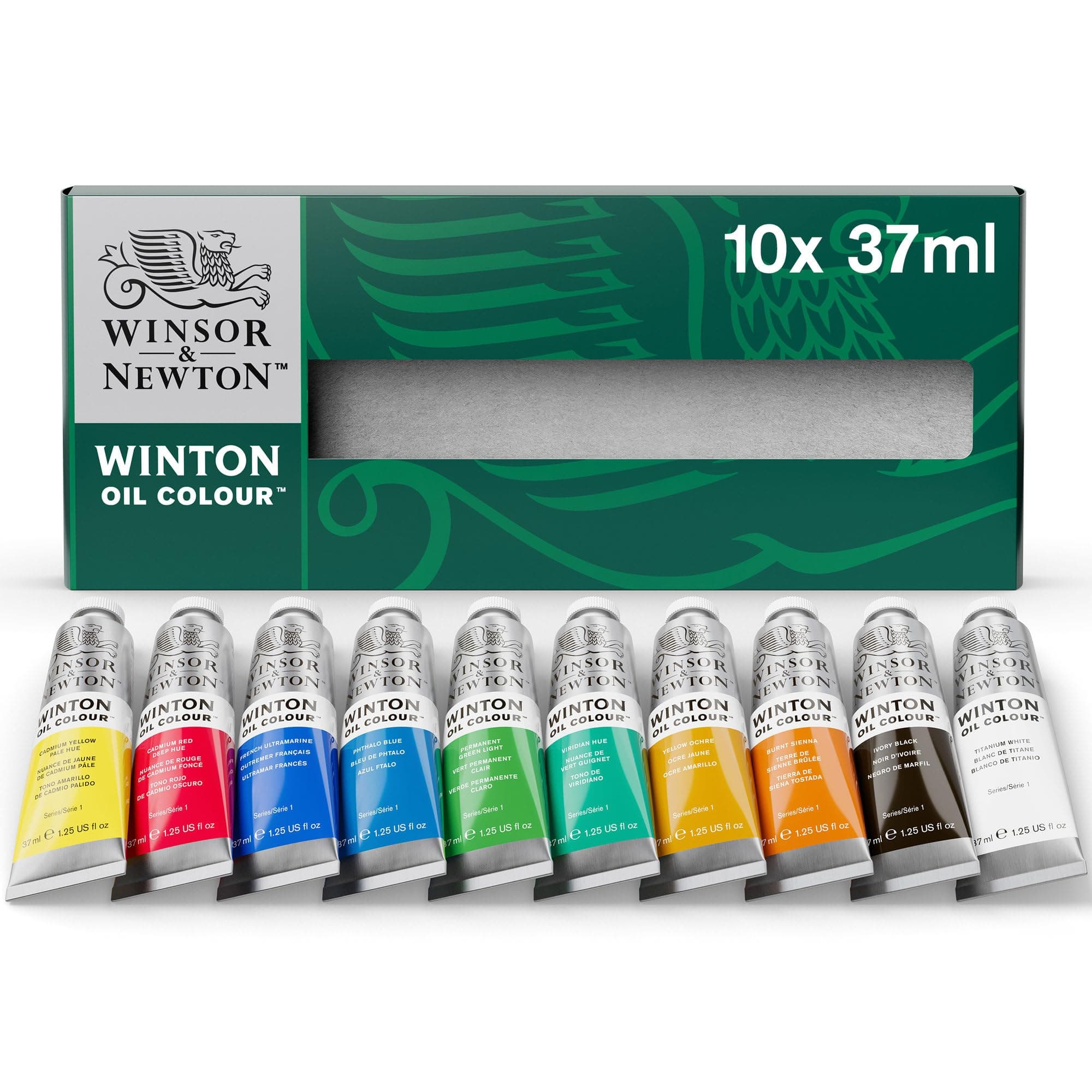 Winsor & Newton Winton Oil Colour Starter Set, 10 TubesView on Amazon
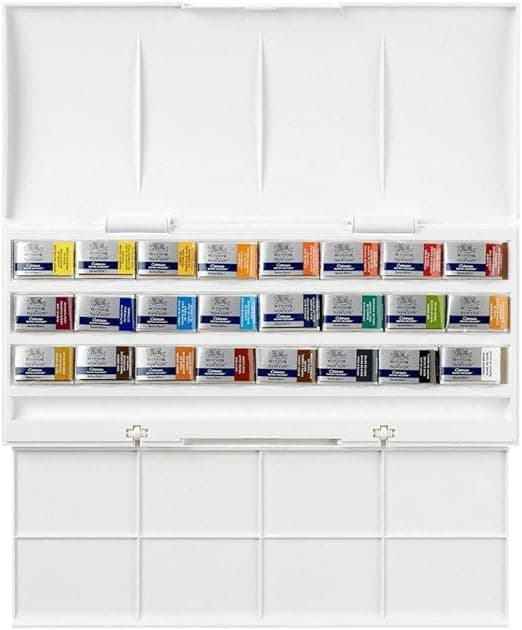 Winsor & Newton Cotman Watercolour Studio Set, 24 Whole PansView on Amazon
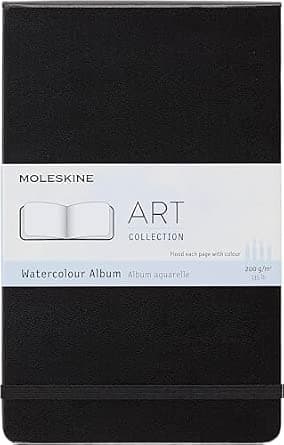 Moleskine Art Plus Watercolor Album, LargeView on Amazon
As an Amazon Associate, Pigmentoria earns from qualifying purchases. This page may contain affiliate links.